Insights Business Setup
Hamriyah Free Zone Company Setup 2026 — Sharjah Costs and Port Access
Hamriyah Free Zone setup and licence cost for 2026: licence types, what HFZA does and does not publish, Hamriyah Port access, Designated Zone VAT and tax.

Key takeaways
- Hamriyah Free Zone is regulated by HFZA, established under Emiri Decree by H.H. Dr. Sheikh Sultan bin Mohammed Al Qasimi in 1995.
- Specialised industrial clusters — petrochemicals, steel, oil & gas, maritime and construction — across one of the UAE's largest free-zone campuses.
- Entry licences are quoted, not published — HFZA lists no tariff; its service, industrial and warehouse rates are still among the UAE's most competitive.
- Designated Zone for VAT under Cabinet Decision No. 59 of 2017 — qualifying goods movements outside scope, services treated as mainland UAE.
- Hamriyah Port offers deep-water berths and direct stevedoring access for industrial tenants — a structural advantage versus inland free zones.
- Corporate tax: a QFZP pays 0% on qualifying income and 9% on all non-qualifying income under FDL 47 of 2022 — the AED 375,000 zero-rate band does not apply to a QFZP.
Hamriyah Free Zone company setup is one of the cheapest routes into the UAE for manufacturing, port-adjacent trading and oil-and-gas services — Sharjah’s flagship industrial free zone. What it is not is transparent about price: HFZA publishes no tariff (hfza.ae, checked Aug 2026), so the Hamriyah Free Zone licence cost has to come from the zone in writing.
This guide covers HFZA’s structure, licence categories, what actually drives the Hamriyah Free Zone licence cost, port access, Designated Zone VAT treatment, visa allocations, banking realities and corporate-tax position, plus where Velmont Crest’s business setup advisory services in Dubai and Sharjah help during incorporation and the first year of operations. Founders weighing every emirate’s budget-tier option can compare it with the east-coast alternative in our Fujairah free zone guide.
Below: authority background, licence types, the 2026 fee schedule, visa and office options, banking onboarding, accounting compliance under Federal Decree-Law 47 of 2022, the Qualifying Free Zone Person regime, our own pros-and-cons read, and twelve FAQs at the end.
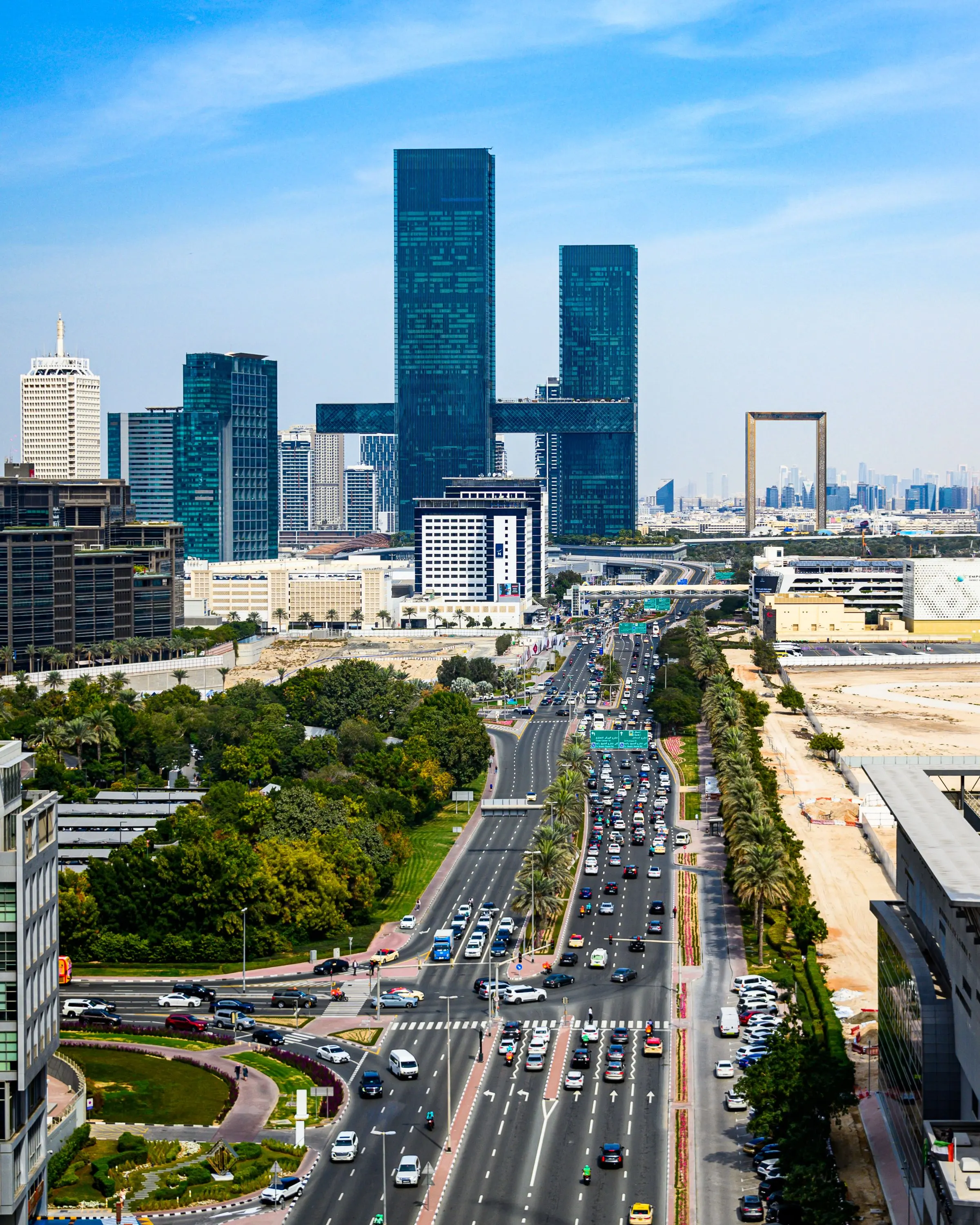
Where Hamriyah actually sits
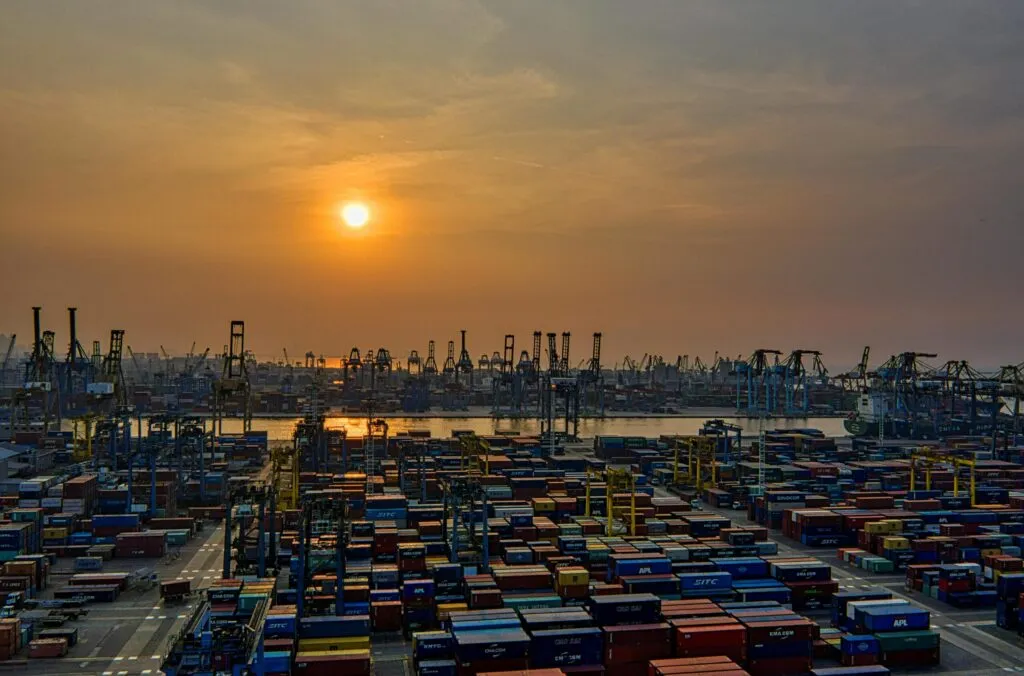
Hamriyah Free Zone (HFZ) was established by Emiri Decree in November 1995 by H.H. Dr. Sheikh Sultan bin Mohammed Al Qasimi, Ruler of Sharjah, and is operated by the Hamriyah Free Zone Authority (HFZA). It sits on the Arabian Gulf coast in northern Sharjah, around 30 km from Sharjah city and 50 km from Dubai, with direct frontage on Hamriyah Port. The campus is among the largest free-zone footprints in the country, and it has been developed in stages, which is why plots and addresses are quoted as Hamriyah Free Zone Phase 1 or Hamriyah Free Zone Phase 2 depending on which part of the campus they sit in. You will also see the zone written as Al Hamriyah Free Zone Sharjah, which is the same place under a slightly longer name.
The zone hosts thousands of companies across specialised industrial clusters spanning petrochemicals, steel, oil and gas, maritime and construction, alongside general trading activity. Low land cost, deep-water port access, plentiful industrial plots and a pragmatic regulator have made HFZ a default for capital-intensive operations that would be uneconomical in Dubai’s premium free zones.
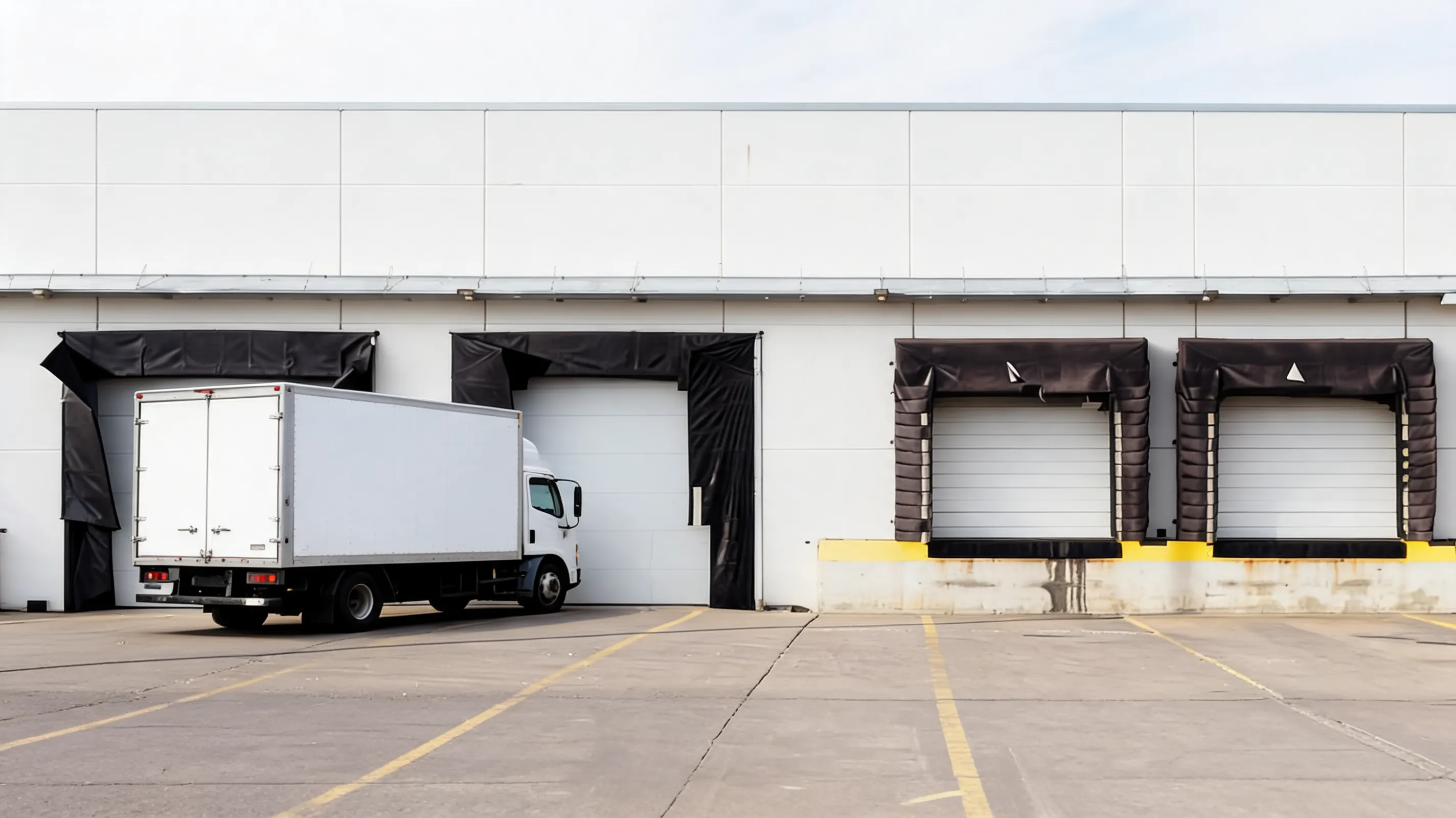
The commercial pitch is really about cost and cargo. Among the lowest free-zone licence and rent rates in the UAE, Designated Zone classification for VAT, and a deep-water port on your doorstep. For founders building something physical — a workshop, a warehouse, a fabrication yard — very little in the country competes on cost-per-square-metre. We’ve set up clients here precisely because the Dubai alternative would have doubled their rent.
Which licence fits which business
HFZA issues a structured set of licence categories aligned to its industrial orientation.
- Commercial Licence — permits import, export, distribution and storage of specified goods. Single-activity commercial licences are cheaper than general trading.
- Service Licence — covers consulting, IT, marketing, advisory and similar professional services. The lowest-cost entry route into HFZ for non-industrial businesses.
- Industrial Licence — required for any manufacturing, processing, packaging or assembly activity. Requires a leased warehouse, industrial shed or industrial plot.
- General Trading Licence — permits a wide range of unrelated commodities under one licence at a premium fee.
- Oil & Gas Service Licence — specialised licence for upstream and midstream service providers with access to dedicated yards and laydown areas adjacent to the port.
- Freelancer Permit — single-individual professional permits in a limited list of approved activities, with lower cost and visa quota.
Hamriyah Free Zone licence cost in 2026
Hamriyah Free Zone licence cost is not published as a tariff we can verify. HFZA’s own site carries no rate card and routes cost enquiries to a sales form (hfza.ae, checked Aug 2026), so every AED figure circulating for Hamriyah comes from a setup agent rather than the authority. We would rather show you the shape of the fee schedule than repeat a number we cannot stand behind.
| Item | Where it sits on the ladder | Published rate? |
|---|---|---|
| Service licence — shared workspace | Cheapest tier; single activity, no premises | No — quoted on enquiry |
| Commercial licence — shared workspace | A step above service | No — quoted on enquiry |
| General trading licence | Clear premium; bundles unrelated commodities | No — quoted on enquiry |
| Executive office package | Rises with the visa quota attached | No — quoted on enquiry |
| Industrial licence | Above all of the above; premises mandatory | No — quoted on enquiry |
| Warehouse unit and industrial plot lease | Annual rent per sqm, on top of the licence | No — quoted per plot |
| Establishment card and employment visas | Fixed cost per head, on top of the package | No — quoted on enquiry |
Share capital for most HFZ categories is set at the time of incorporation and does not need to remain blocked after issuance. Industrial categories may carry minimum capital tied to the operating plan.
Quoted on enquiry
HFZA publishes no Hamriyah Free Zone licence cost tariff on hfza.ae — checked Aug 2026
What drives your Hamriyah Free Zone licence cost
Ask ten founders what a Hamriyah Free Zone licence cost really covers and you will get ten different numbers, because the headline figure moves with four things. First, the activity: a single-activity service licence sits at the bottom of the range, while general trading carries a clear premium because it bundles unrelated commodities under one permit. Second, the premises: a shared business centre desk keeps the number low, whereas a warehouse unit or an industrial plot layers annual rent on top of the licence itself. Third, the visa quota — every extra establishment card and employment visa adds a fixed cost, so a five-person plan looks nothing like a one-person one. Fourth, the incidentals founders forget: name reservation, the Memorandum of Association, medical and Emirates ID fees, and the audit due at renewal.
Because HFZA publishes no figure, the only Hamriyah Free Zone licence cost worth budgeting on is the one HFZA puts in writing for your exact configuration. Before you commit, it is worth mapping each of these variables against a realistic three-year plan. We scope this as a fixed-fee exercise rather than leaving you to guess, and we would always rather quote against your actual activity than a generic package price.
Your total Hamriyah Free Zone setup cost, beyond the licence
The licence is only one line in your Hamriyah Free Zone setup budget. Founders who plan around the licence figure alone tend to hit a surprise at the visa stage. A realistic first-year view stacks up the trade licence, the establishment card, one or more employment visas, your chosen premises lease, and the audit you will need at renewal — the cost table above lists indicative ranges for each of these.
For a lean service business on a shared desk, the all-in first-year number stays modest. For an industrial tenant on a leased plot with a manufacturing team, the lease and manpower costs quickly outweigh the licence itself. That is the honest shape of Hamriyah Free Zone setup: cheap to start, priced by what you actually build.
Budget, too, for the items that carry no HFZA sticker — bank-account onboarding time, corporate tax and VAT registration, and bookkeeping set up correctly from day one. For a wider emirate view of what a licence runs, our free zone licence cost guide and Sharjah free zones list put Hamriyah next to its neighbours. Budget-focused founders can also compare the emirate one step north in our business setup in Umm Al Quwain guide.
Visas — what the premises buy you
HFZA visa allocations are tied to premises and operational requirements. Founders should size physical space against the operational team they expect to hire in the first two years.
- Shared business centre / flexi-desk — 1–3 visa quota, lowest annual rent, suitable for service licences.
- Executive office — dedicated office, 3–7 visas depending on size, suitable for consultancies and small commercial operations.
- Warehouse unit — pre-built industrial sheds in standard sizes (typically 250–1,500 sqm), visa allocation tied to operating plan.
- Industrial plot — leased land for purpose-built facilities, highest visa allocation potential.
- Port-side yard — laydown and storage for oil-field services and heavy-cargo handlers, specific to operational manpower plan.
Visa quotas are reviewed at renewal. Where operational demand justifies more visas than the current premises supports, HFZA generally allows expansion negotiation rather than forcing a relocation.
The Hamriyah free zone visa rule that catches founders out is this link between square metres and headcount. A flexi-desk does not become a five-visa licence because you hired five people; the premises have to move first. Budget the space against the hiring plan rather than the other way round, and confirm the current allocation for the unit you are taking directly with HFZA before you sign, because these bands are reviewed periodically.
Payroll brings its own admin once those visas are issued. Hamriyah Free Zone salary submission is a monthly obligation rather than an internal bookkeeping matter, so confirm the current filing channel with HFZA when you onboard your first employees and build it into the payroll calendar from month one. The practical point is that salaries have to be evidenced as they are paid; a record reconstructed at renewal time is exactly the sort of gap that slows a visa file down.
Hamriyah Free Zone company setup, step by step
Sharjah free zone company formation has a reputation for being slower than Dubai’s, and in our experience that is only true for land. The HFZA process is straightforward for service and commercial categories, longer for industrial plots and port-side leases. Founders should map the timeline against the operational launch date before committing to a cluster. HFZA runs an online portal for licence and renewal services, so getting the HFZA login issued to the right person early saves a round of email later.
- Activity and cluster selection. Identify activities from HFZA’s master list and select the cluster (general, petrochemical, steel, oil & gas, maritime, construction). Industrial clusters require a more detailed business plan.
- Name reservation. Reserve a trade name compliant with UAE naming conventions. Approval typically within 1–2 working days.
- Shareholder due diligence. Submit passports, photos, address proof, CVs for each shareholder and director. Corporate shareholders provide attested incorporation documents and registry extracts.
- Initial approval. HFZA reviews the file; initial approval typically within 3–5 working days from a clean submission.
- Premises selection and lease. Choose between shared workspace, executive office, warehouse unit, industrial shed or industrial plot. Plot leases involve survey and infrastructure walk-through.
- MOA and final approval. Submit Memorandum of Association reflecting share split, capital and signatories. HFZA issues final approval.
- Licence issuance. Pay licence fee; HFZA issues trade licence, certificate of incorporation, share certificates and registry extract.
- Establishment card. Apply with Sharjah immigration authority; enables subsequent visa applications.
- Visa applications. Apply for entry permits, medical fitness, Emirates ID and residence visa stamping per employee.
- Bank account opening. Submit to UAE bank; complete KYC interview and activation.
- Corporate tax and VAT registration. Register with the Federal Tax Authority for corporate tax (mandatory) and VAT (where threshold is met or voluntary registration is elected).
- Customs registration. For commercial and industrial licences moving goods, register with Sharjah Customs for an importer/exporter code.
Hamriyah Free Zone setup: the cheapest sticker isn’t always the right fit
Hamriyah Free Zone setup wins almost every price comparison for physical operations, and for the right business that settles the question. But the cheapest option and the correct one are not always the same address. If your work is pure professional services with no cargo, no workshop and a client base sitting in central Dubai, the daily commute and the less prestigious address can quietly cost more than the rent you saved.
Two questions usually decide it. Does the business touch physical goods, manufacturing or the port? And where do your clients and staff actually need you to be? If the answers point to industry and the coast, Hamriyah is hard to beat — it is one of the northern hubs in our map of manufacturing companies in the UAE. If they point to a Dubai boardroom, a mainland or a central free-zone option may serve you better even at a higher licence cost.
For founders weighing the alternatives, our Sharjah business setup guide lays out the trade-offs across the emirate’s zones. We would rather you chose the structure that fits than the one with the lowest number on day one — and we are happy to talk it through before you file anything.
What the bank will actually ask for
Opening a UAE business bank account for a new Hamriyah Free Zone entity follows the same enhanced due diligence framework that now applies to all free-zone companies. UAE banks have tightened compliance materially since 2024 in line with Central Bank guidance on AML and source-of-funds verification. Expect to provide:
- Complete corporate file: trade licence, MOA, share certificate, board resolution and lease.
- Original passport copies and Emirates ID for every shareholder, director and authorised signatory.
- Address proof for each Ultimate Beneficial Owner.
- Six to twelve months of business plan or projected financials.
- Supplier and customer contracts or letters of intent.
- Group structure chart up to the natural-person UBO.
Tier-one Dubai banks typically take six to ten weeks for HFZ entity onboarding. Sharjah-headquartered banks — Sharjah Islamic Bank, Bank of Sharjah, Invest Bank — sometimes process Hamriyah Free Zone applications faster than Dubai-based competitors because the entity sits in their home emirate. Digital business banking platforms may onboard faster but carry transaction-limit constraints.
What your books need to carry for renewal and for the tax return
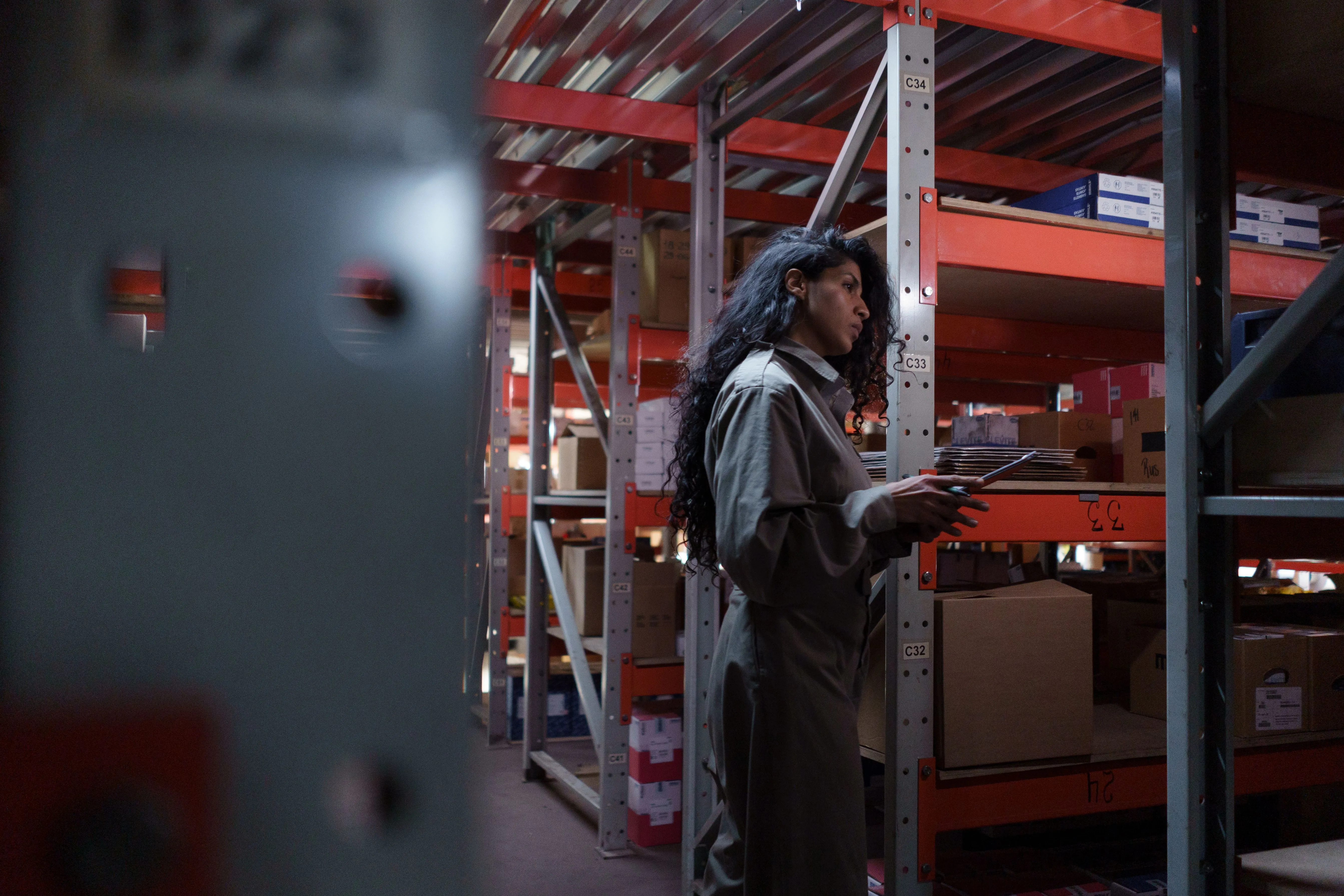
Hamriyah Free Zone applies International Financial Reporting Standards (IFRS), with IFRS for SMEs available for smaller companies. Books must be maintained to support both HFZA’s licence-renewal audit and the corporate-tax filing under Federal Decree-Law 47 of 2022. Article 56 of that law requires taxable persons to retain accounting records and supporting documentation for at least seven years from the end of the relevant tax period.
For HFZ entities specifically, bookkeeping should capture revenue segmented by activity and customer geography (qualifying versus non-qualifying for QFZP purposes), track Designated Zone goods movements separately from mainland sales, document transfer-pricing exposure on related-party transactions, and reconcile customs entries against inventory. Our accounting and bookkeeping team typically configures the chart of accounts to reflect these reporting needs from day one — far cheaper than retrofitting at year-end.
Where the 0% rate actually lands
The Hamriyah Free Zone corporate tax position turns entirely on Qualifying Free Zone Person status. Under Federal Decree-Law 47 of 2022 and Cabinet Decision No. 100 of 2023 (as amended), a Hamriyah Free Zone entity may qualify as a Qualifying Free Zone Person (QFZP) and pay 0% on qualifying income, with 9% applying to all non-qualifying income — the AED 375,000 zero-rate band available to mainland taxpayers does not apply once QFZP status is in play. The QFZP conditions require adequate substance in the free zone, qualifying income as defined by the cabinet decision, audited financial statements, no election for standard taxation, and meeting the de minimis test (non-qualifying revenue below 5% of total revenue or AED 5 million, whichever is lower).
For industrial and trading HFZ entities, qualifying income often includes manufacturing for export, intermediation between non-UAE parties, and certain Designated Zone goods movements. Non-qualifying income typically includes mainland UAE sales of goods to non-business customers and certain services to mainland customers. Our corporate tax team maps each revenue stream against the qualifying-income list before incorporation; retrofitting after the fact often forces structural changes.
For VAT, Hamriyah Free Zone is a Designated Zone under Cabinet Decision No. 59 of 2017. Designated Zone treatment applies primarily to qualifying goods movements between Designated Zones, with services treated as if supplied in the mainland UAE. Stock transfers, consumable goods used inside the zone, and onward sales to UAE mainland customers each carry different VAT treatment — see our VAT services page for the common HFZ scenarios.
“Hamriyah’s Designated Zone status is a real planning tool — but only for goods, and only when documentation supports the movement. The corporate tax 0% rate is even more nuanced. Both regimes reward discipline; neither rewards assumption.”
The 2025 decision that changed the QFZP conditions
Most Hamriyah commentary still points only at Cabinet Decision No. 100 of 2023. That is the framework, but the operative conditions and activity lists now sit in Ministerial Decision No. 229 of 2025, issued 28 August 2025 and effective from 1 June 2023. Article 6 of that Decision repeals Ministerial Decision No. 265 of 2023 outright — so a position argued on the older text is being tested against the newer one, retroactively.
| Provision | What it fixes for an HFZ entity | Source |
|---|---|---|
| De minimis | Non-qualifying revenue must not exceed 5% of total revenue or AED 5,000,000, whichever is lower | MD 229/2025, Art. 3 |
| Audited financial statements | A condition of QFZP status in its own right, prepared under MD 84/2025 | MD 229/2025, Art. 5(1)(b) |
| Loss of status | Ceases to be a QFZP from the beginning of the relevant tax period and for the subsequent four tax periods | MD 229/2025, Art. 5(2) |
| Repeal | Ministerial Decision No. 265 of 2023 is repealed | MD 229/2025, Art. 6 |
| Effect | The Decision came into effect on 1 June 2023 | MD 229/2025, Art. 7 |
| Distribution from a Designated Zone | A qualifying activity, subject to the conditions in Art. 2 — relevant to every HFZ goods business | MD 229/2025, Art. 2 |
| Audited statements for a Designated Zone distributor | Additional FTA-prescribed procedures may apply | MD 84/2025, Art. 2(3) |
Three points deserve emphasis for a Sharjah industrial or trading entity. First, the AED 5,000,000 figure in Article 3 is a ceiling that only applies when it is the lower of the two tests — for a business turning over AED 200 million, the binding line is 5%, which is AED 10 million, so the AED 5 million cap governs; for a business turning over AED 40 million, 5% is AED 2 million and that governs instead. Read the word “whichever is lower” every time.
Second, Article 5(2) starts the clock at the beginning of the tax period in which the failure occurred, not at the date of the failure. A breach discovered in November costs the whole year, and the four years after it — five UAE tax periods on 9% before the 0% rate is available again.
Third, Article 2 of the same Decision treats distribution of goods or materials in or from a Designated Zone as a qualifying activity — which is precisely why Hamriyah’s Designated Zone status under Cabinet Decision No. 59 of 2017 matters for corporate tax and not only for VAT. Article 2(3) of Ministerial Decision No. 84 of 2025 then adds that a Qualifying Free Zone Person distributing goods in or from a Designated Zone must comply with any additional procedures the FTA prescribes. For an HFZ distributor, the audit and the customs file are load-bearing parts of the 0% claim, not administrative afterthoughts.
Disclosure: Velmont Crest is a DED-licensed UAE accounting firm and an official channel partner of Meydan Free Zone and RAKEZ. We are a referral partner elsewhere, including for Hamriyah Free Zone. We do not receive an authority commission on an HFZA licence, and nothing above is a recommendation to choose one zone over another — the zone that fits is the one whose activity list, premises and cost base match the business you are actually building.
Our read after setting up clients here
Pros
- Among the lowest licence and lease costs of any UAE free zone — particularly competitive for industrial categories.
- Designated Zone status under Cabinet Decision No. 59 of 2017 for qualifying goods movements.
- Direct deep-water port access via Hamriyah Port for bulk and project cargo.
- Dedicated industrial clusters spanning petrochemicals, steel, oil & gas, maritime and construction.
- Pragmatic regulator with a 30-year track record in industrial and trading licensing.
- 100% foreign ownership, full profit repatriation, no personal income tax.
Cons
- Distance from Dubai adds commute and logistics time for non-port-using businesses.
- Less prestigious address than central Dubai free zones for client-facing services businesses.
- Designated Zone treatment is narrower than many founders assume — services are taxed as mainland supplies.
- Banking onboarding remains a 4–10 week journey for new free-zone entities across the UAE.
- QFZP qualification requires genuine substance — paper operations risk losing 0% status for five years.
- Some specialised industrial licences require Ministry of Industry approvals adding to setup timeline.
How Velmont Crest helps
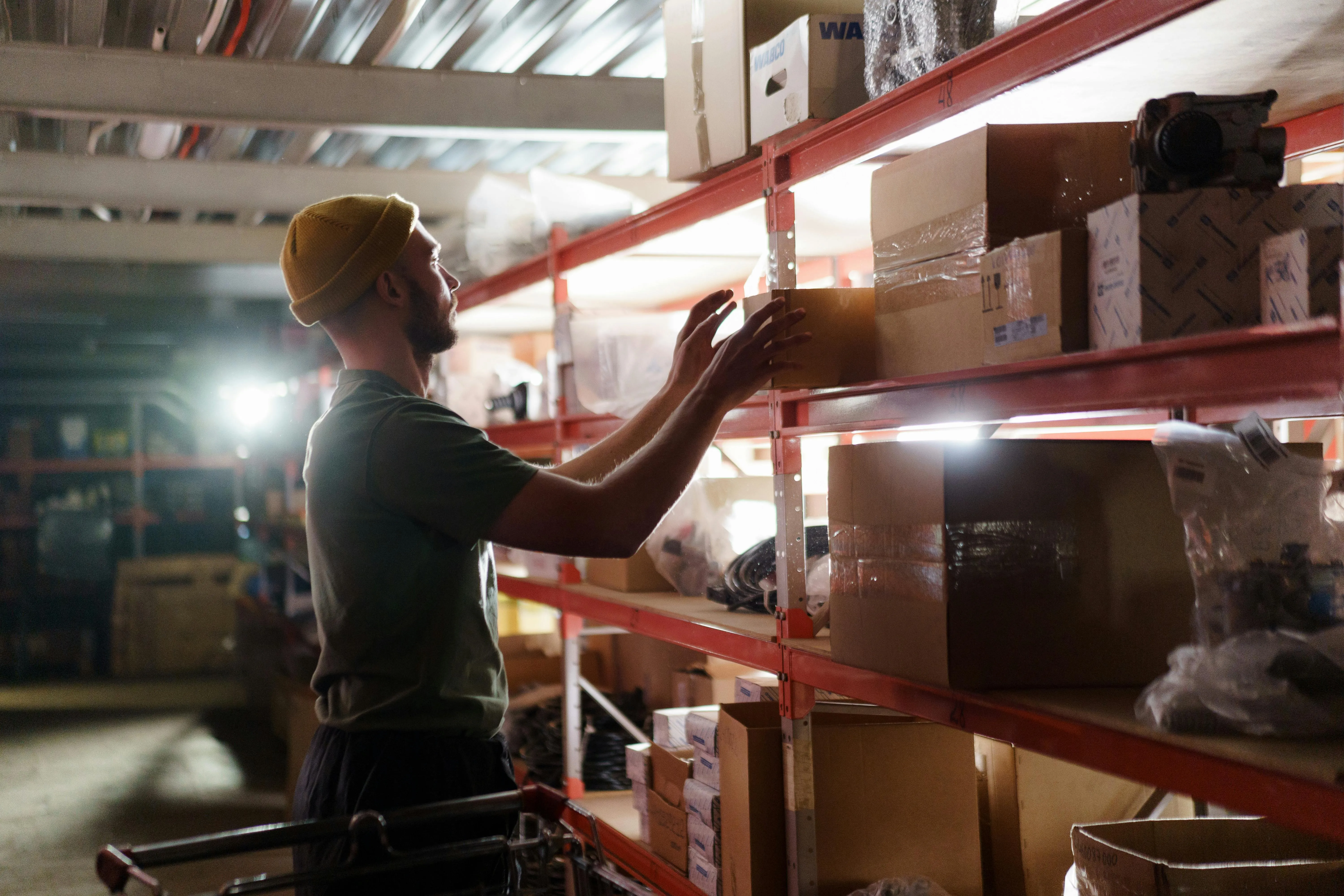
Velmont Crest’s UAE accounting specialists works alongside HFZA-registered businesses as an advisory and finance partner. We assist with cluster and activity selection during incorporation, then build out the post-licence finance stack: chart of accounts, IFRS-compliant bookkeeping, VAT registration with correct Designated Zone treatment, customs registration, corporate tax registration and QFZP analysis, audited financial statements through partnered audit firms, and ongoing management reporting against the operating plan.
For founders comparing free zones, our Dubai free zone company formation guide covers IFZA, JAFZA, Meydan, DAFZA and Hamriyah side-by-side, and the Qualifying Free Zone Person checklist details the substance and qualifying-income tests every HFZ entity should map before its first tax return. We also publish standalone guides on DAFZA, JAFZA and Meydan Free Zone for direct comparison.
Planning a Hamriyah setup in the next 60 days and want a structured view on cluster selection, QFZP eligibility, banking shortlists and post-incorporation accounting? Our business setup advisory team can scope a fixed-fee engagement. We care about structures that pass audit and tax filing without surprises — not the cheapest sticker price on day one, which is a different thing entirely.
Frequently asked questions
- Where is Hamriyah Free Zone located?
- Northern Sharjah, on the Arabian Gulf coast, roughly 30 km from Sharjah city and 50 km from Dubai. The campus sits right beside Hamriyah Port, and you reach it off Sheikh Mohammed Bin Zayed Road (E311) and Emirates Road. From Dubai International Airport, budget 60–75 minutes outside peak traffic — and Sharjah peak traffic is its own special punishment, so plan around it.
- Who regulates Hamriyah Free Zone?
- The Hamriyah Free Zone Authority (HFZA), set up under Emiri Decree by H.H. Dr. Sheikh Sultan bin Mohammed Al Qasimi, Ruler of Sharjah, in November 1995. Everything you'd deal with runs through them: licensing, lease allocation, immigration cards, port-access permits, and tenant disputes across the sprawling industrial campus.
- What licence types does Hamriyah Free Zone offer?
- Commercial, service, industrial and general trading. Industrial is the big one here — the whole campus is built around manufacturing, steel, petrochemicals and oil-and-gas services. A service licence covers the professional stuff like consulting, IT and marketing. General trading lets you hold a broad commodity portfolio under one licence, but you pay a premium for the privilege versus a single-activity trading licence.
- How much does a Hamriyah Free Zone licence cost in 2026?
- HFZA does not publish one. Its site carries no tariff and sends cost enquiries to a sales form (hfza.ae, checked Aug 2026), so any figure you find quoted online is an agent's, not the authority's. The ladder itself is consistent: a service licence on a shared business centre address is the cheapest tier and genuinely among the cheapest in the country; a commercial licence sits above it; general trading carries a clear premium; and an industrial licence with a leased warehouse sits above all of them because rent is charged separately. Port-adjacent plots and oil-and-gas yard licences are priced on application, because it all depends on plot size and what infrastructure you need.
- Is Hamriyah Free Zone a Designated Zone for VAT?
- Yes — it's listed under Cabinet Decision No. 59 of 2017 on the Designated Zones for Federal Decree-Law No. 8 of 2017 on VAT, and it's still on the current list. The thing founders miss: Designated Zone treatment mostly covers qualifying goods movements between Designated Zones. Services are generally treated as if supplied in the mainland UAE, so don't assume the whole business escapes VAT.
- What is Hamriyah Port and which licences benefit?
- A deep-water multi-purpose port run by the Government of Sharjah, sitting inside the Hamriyah Free Zone perimeter. It handles bulk, break-bulk, containers and project cargo, with direct berthing for industrial tenants. Steel fabricators, petrochemical processors, oil-field service companies and heavy-equipment traders are the ones who actually get value from the stevedoring and laydown yards. If your cargo never touches a ship, the port is just a nice view.
- What is the corporate tax position for Hamriyah Free Zone companies?
- Under Federal Decree-Law 47 of 2022, an HFZ entity that meets the Qualifying Free Zone Person tests pays 0% on qualifying income and 9% on all non-qualifying income — the AED 375,000 zero-rate band that mainland taxpayers receive does not apply to a QFZP. The QFZP tests cover adequate substance, qualifying income (defined under Cabinet Decision No. 100 of 2023), audited financials, no election for standard taxation, and the de minimis test. Fail any one and you lose the regime for five tax periods.
- Does Hamriyah Free Zone require audited accounts?
- Yes, on two separate fronts. Most HFZA licence categories want audited financials at renewal. And separately, any free-zone person chasing QFZP status has to prepare and keep audited statements no matter the revenue, under Ministerial Decision No. 84 of 2025. Either way the auditor has to be registered with the UAE Ministry of Economy.
- How many visas can a Hamriyah Free Zone company sponsor?
- It scales with your physical space. A shared business centre licence usually gets you 1–3 visas. Executive office packages run 4–7 depending on size. Warehouse units, industrial sheds and plot-based tenants sit much higher — tied to square footage and an approved manpower plan — and a manufacturing licence can support 50+ visas where the operating plan backs it up.
- Can a Hamriyah Free Zone company open a UAE bank account?
- Yes, though brace for a longer wait than an established mainland LLC. Banks now want an in-person KYC interview, the full corporate file, UBO Emirates IDs, projected or audited financials, and contracts with your anchor customers and suppliers. Submission to a working account usually takes 4–10 weeks. One quiet tip: Sharjah-headquartered banks sometimes move faster on HFZ entities than the Dubai names do.
- Can a Hamriyah Free Zone entity trade on the UAE mainland?
- Not directly — a free-zone company needs a mainland presence to sell into the mainland. The usual routes are appointing a mainland LLC as commercial agent, opening a branch with the relevant Department of Economic Development, or using a logistics partner that holds a mainland trade licence for final-mile distribution. Each route carries different VAT treatment, and you want that decided at the contract stage, not patched up afterwards.
- How long does Hamriyah Free Zone setup take?
- A standard service or commercial licence with shared workspace is usually 7–14 working days from kickoff to issued trade licence, assuming your due-diligence documents are all in hand. Add another 3–5 weeks for the establishment card and first employment visa. Industrial plots, warehouse units and port-side leases stretch out to 6–12 weeks, mostly because of plot allocation, lease negotiation and infrastructure surveys.
- What is the difference between Hamriyah Free Zone Phase 1 and Phase 2?
- They are development stages of the same zone under the same regulator, HFZA, not separate free zones with different rules. Your licence, corporate tax position, Designated Zone VAT treatment and visa mechanics are identical whichever phase your unit sits in. The phase reference matters commercially rather than legally, because availability, plot sizes and rent differ across the campus. Ask HFZA what is currently available in each before you fix on a location.
- How do I get an HFZA login for the Hamriyah Free Zone portal?
- The portal account is issued to the company as part of the licensing process and is normally held by the authorised signatory or the person you nominate to handle renewals. If nobody in the business knows who holds it — which happens more often than you would think when a PRO or an old consultant set the company up — HFZA can reassign it on request with the trade licence and signatory documents. Sort that out before renewal season rather than during it.
- Is Hamriyah Free Zone the same as the other Sharjah free zones?
- No. Sharjah has more than one free zone, and they are separate authorities with separate licences and fee schedules. Hamriyah is the industrial and port-facing option, built around Hamriyah Port with land, warehousing and heavy-cargo clusters. Sharjah Airport International Free Zone sits next to the airport and leans towards logistics and lighter commercial activity. Both are Sharjah free zones, so compare the actual premises and quota you need rather than the headline licence figure.
Filed under: Hamriyah Free Zone, Sharjah Free Zone, Free Zone Setup, Hamriyah Port, Designated Zone, VAT UAE, Corporate Tax UAE, Business Setup Sharjah
Published · Updated