Insights Business Setup
Fujairah Free Zone and Creative City: Setup on the East Coast
Fujairah free zone company setup for 2026 — Fujairah Free Zone by the port, Creative City's media licences, FOIZ, costs, visas and who the east coast suits.
Key takeaways
- Three zones, one emirate — FFZ for trade and industry by the port, Creative City for media and services, FOIZ for oil storage and trading.
- A UAE port outside Hormuz — Fujairah's Gulf of Oman position is a genuine logistics and energy-trade advantage, not brochure talk.
- Northern-tier pricing — published packages compete in the same budget bracket as RAK, Ajman and UAQ; get configured quotes in writing.
- Creative City suits solo operators — low-cost media, consulting and e-commerce licences without office requirements.
- Standard free zone mechanics — 100% ownership, visa quotas tied to facility tier, customs suspension inside the zone.
- Federal tax applies in full — corporate tax registration mandatory; QFZP 0% is conditional on substance, not location.
Fujairah is the UAE’s only emirate wholly on the Indian Ocean, and its free zone cluster is built around that single geographic fact. Fujairah Free Zone (FFZ) sits beside the Port of Fujairah — one of the world’s great marine bunkering hubs — and licenses the trade, logistics and industrial businesses that feed it. Creative City Fujairah sells lean media, consulting and e-commerce licences at northern-emirates prices. And the Fujairah Oil Industry Zone (FOIZ) hosts the tank farms that make the emirate a fixture of global refined-product markets.
This guide, updated July 2026, covers Fujairah free zone company setup across all three: who each zone is for, how the licensing works, what it costs relative to the budget-tier neighbours, and the tax layer that follows every UAE licence regardless of coast. For the shortlist argued against RAK, Ajman and the Dubai tiers, our business setup advisory team runs the comparison before you commit.
The east coast argument
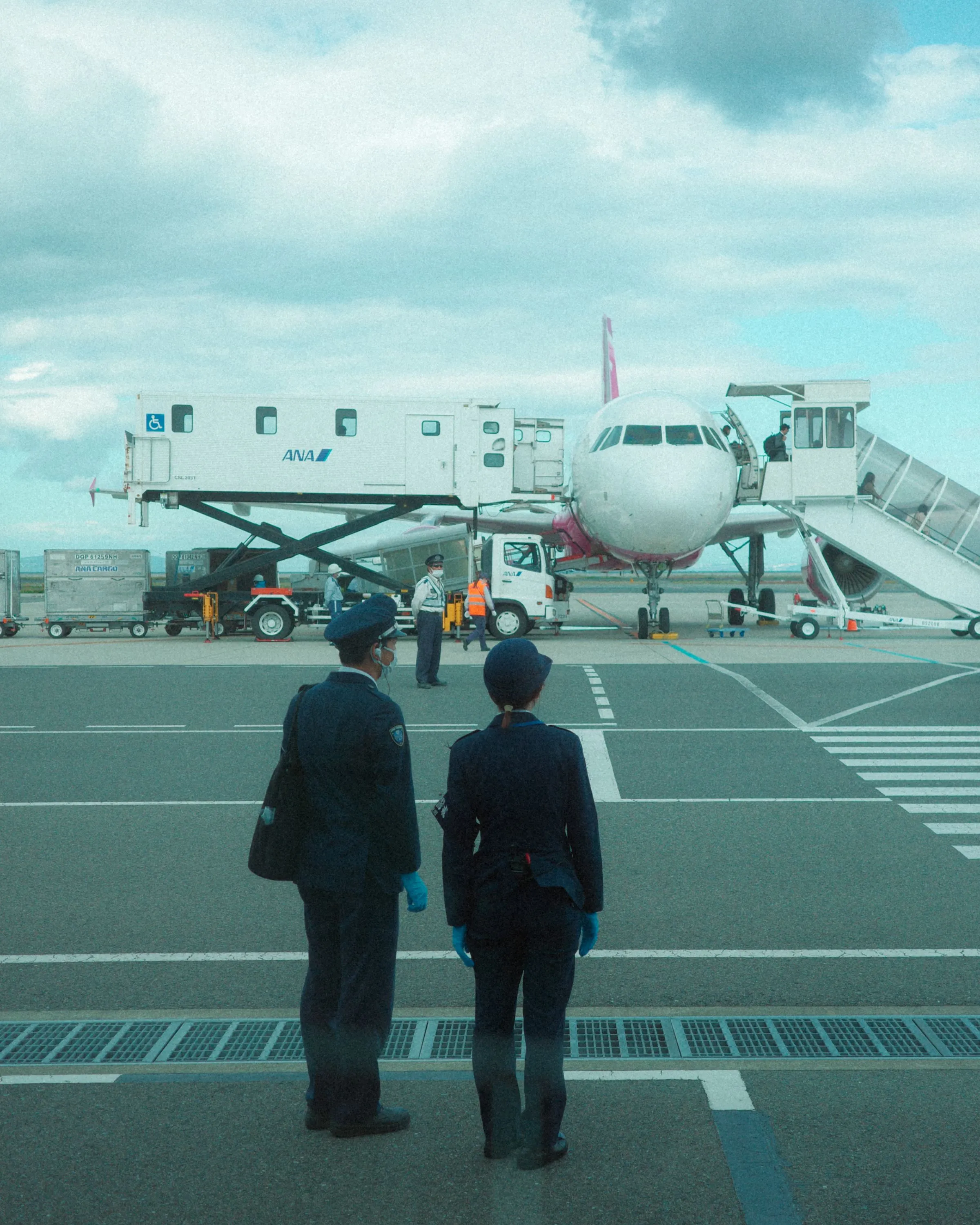
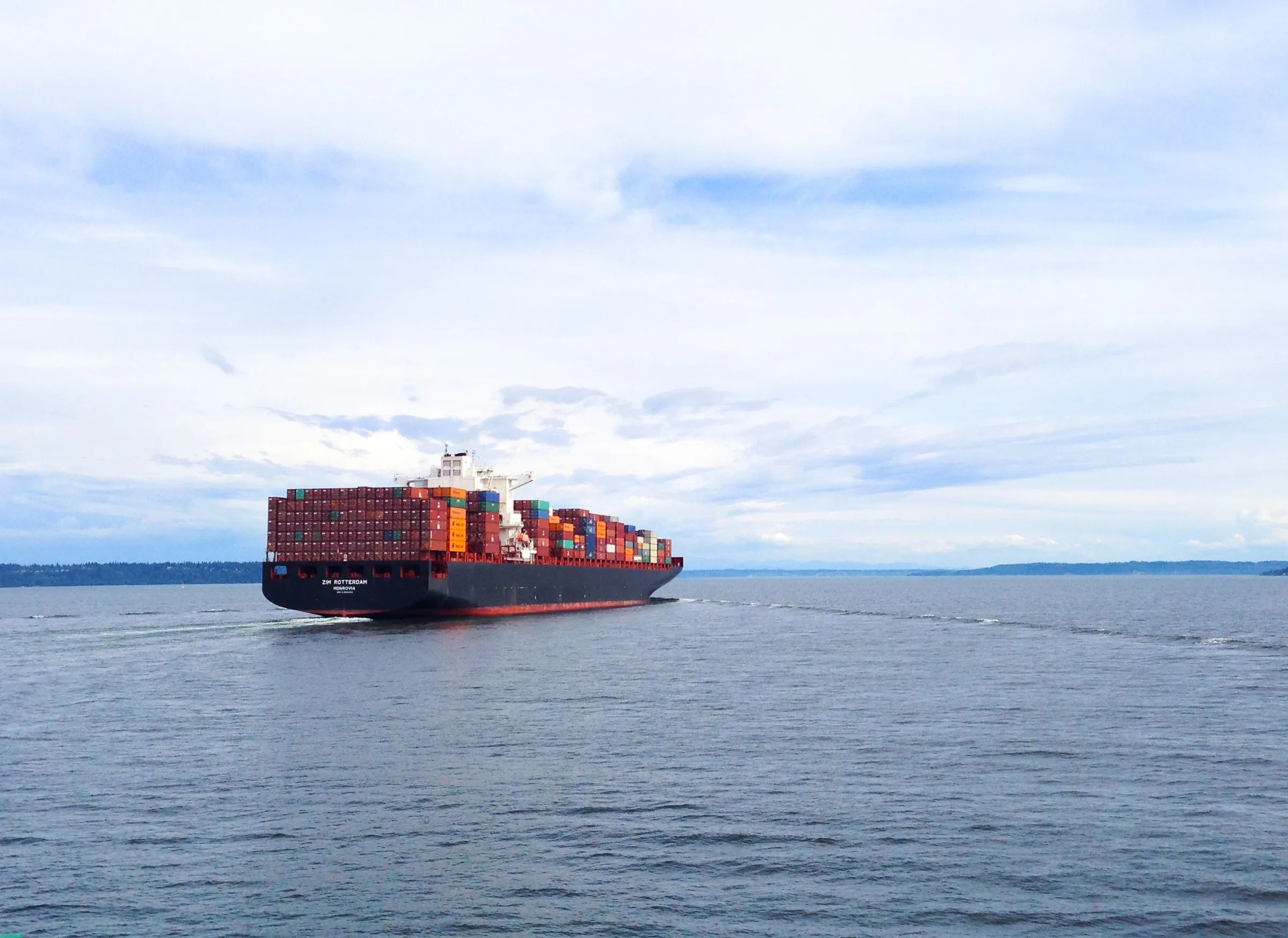
Most UAE ports sit inside the Arabian Gulf, behind the Strait of Hormuz. Fujairah’s do not — its entire coastline faces the Gulf of Oman, outside the strait — and that one geographic fact explains the emirate’s entire business model. Tankers bunker at Fujairah without the transit; refined products store in FOIZ terminals fed by the Habshan–Fujairah pipeline carrying Abu Dhabi crude overland; shipping services, crew changes, surveys and marine supply cluster around the anchorage. For energy traders, bunker suppliers, ship chandlers and maritime services, Fujairah is not an alternative to Jebel Ali — it is a different product entirely.
For everyone else, the emirate offers the northern-emirates value proposition with a two-hour drive attached: budget-tier licence pricing, low rents, fast processing — and distance from Dubai that your operating model either shrugs at or bleeds from. Where Fujairah sits in the whole 40-zone map is in our full list of UAE free zones.
1 of 7
Fujairah is the only UAE emirate whose entire coastline faces the Gulf of Oman, outside the Strait of Hormuz
Fujairah Free Zone: the port generalist
FFZ, adjacent to the port gates, issues the standard free zone spread — commercial and trading licences (general trading at the usual premium), industrial licences using its warehouse and land stock, service and logistics wording — under the standard bundle: 100% foreign ownership, profit repatriation, customs suspension on goods inside the zone, visa quotas tied to facility tier.
Setup follows the playbook every UAE zone runs:
- Application — activity selection, trade name, passport copies for shareholders and managers.
- Licence and facility — the facility choice (shared desk to warehouse or plot) sets both cost and visa quota.
- Issuance — clean unregulated cases move in days; industrial and port-linked activities add approvals.
- Immigration file — establishment card, then the per-visa stack (permit, medical, Emirates ID, stamping), priced per person and quoted rather than published by both Fujairah zones.
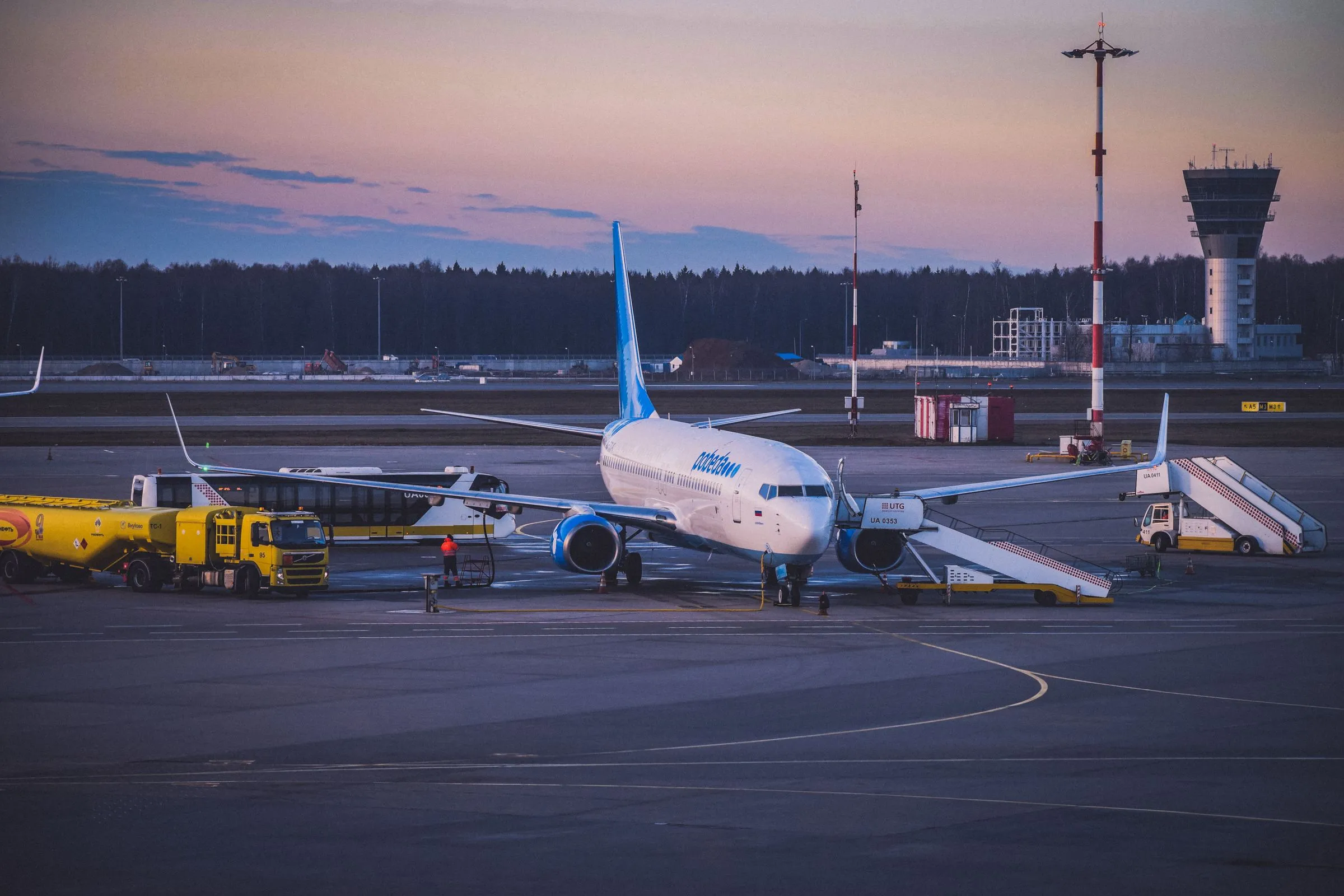
The natural FFZ tenant ships, stores or services something physical moving through the port: building materials for the east coast, marine equipment, food and consumables for the shipping trade, re-export flows toward South Asia and East Africa that never need to enter the Gulf.
Two practical notes on the facility choice, because it drives more than rent. The tier you take sets the visa quota, so a company that takes a shared desk to save money in year one and then hires three people in year two pays twice — once to upgrade the facility, once in the weeks the upgrade takes while the hires wait. And warehouse and land applications in FFZ attract authority approvals that a desk does not, which is where “clean cases issue in days” stops applying. Size the facility for the headcount you expect at month eighteen, not the headcount you have at signing, and ask the zone in writing how many visas each tier carries before you choose between them.
The three Fujairah doors at a glance
| Fujairah Free Zone (FFZ) | Creative City | Fujairah Oil Industry Zone (FOIZ) | |
|---|---|---|---|
| Built for | Trade, logistics, light industry beside the port | Media, marketing, consulting, e-commerce, education, events | Refined-product and crude storage, blending, bunkering, physical oil trading |
| Typical facility | Shared desk through office, warehouse and land | Usually no physical office requirement | Terminals, tank farms, project-scale land |
| Scale of applicant | SME to industrial | Solo operators and small agencies | Corporate and project-financed |
| Foreign ownership | 100% | 100% | 100%, within sector rules |
| Visa quota | Tied to facility tier | Small, package-dependent | Project-dependent |
| Published tariff | Quoted on enquiry | Quoted on enquiry | Negotiated per project |
| Regulatory overlay | Standard, plus approvals for regulated activities | Light | Heavy — sector regulation, HSE, customs, port authority |
| Accounting complexity | Ordinary trading and inventory | Straightforward services | Substantial: customs positions, excise exposure, VAT on bonded and ship-to-ship flows |
The last row is the one an accountant would put first. A Creative City consultancy and a FOIZ trading operation share an emirate and nothing else, and treating “Fujairah setup” as one decision is how businesses end up with a licence that fits and a compliance model that does not.
Creative City is operated as Creative City FZ (creativecity.ae, checked 4 August 2026), and markets company setup, visa and residency support, office and meeting-room facilities and a licence-verification tool for counterparties — that last one being genuinely useful when you are the counterparty checking someone else’s licence.
Creative City: the lean licence lane
Creative City Fujairah is the emirate’s answer to SHAMS and the budget service zones: media production, publishing, marketing, design, consulting, e-commerce, education and events wording, mostly with no physical office requirement, priced for solo operators and small agencies. It built a genuine following among freelancers and remote-working professionals who want a legitimate UAE entity and visa eligibility without Dubai overheads — the same buyer profile weighing the freelance permit routes and the e-trader permit on the other side of the country.
The comparison discipline is the one that applies across the whole budget tier: configure Creative City, SHAMS, Ajman and RAKEZ identically — same activity, same visa count — collect written quotes, and price 36 months. Rates across this tier cluster tightly, though almost none of it is published — RAKEZ is the exception at AED 6,000 (rakez.com, checked Aug 2026), while Hamriyah, Ajman Free Zone, SHAMS and Fujairah’s own zones all quote on enquiry — so the decision usually turns on processing quality, facility needs and where you actually live. The free zone cost ladder and our setup cost calculator do the arithmetic.
Budget zones differ by a few hundred dirhams on paper and by hours of your life in practice. When the tariffs tie, pick the authority whose portal answers, and the coast you can reach.
FOIZ: the specialist you don’t apply to casually
The Fujairah Oil Industry Zone concentrates refined-product and crude storage terminals around the port — one of the largest commercial tank-farm clusters anywhere. Licensing there is project-scale: terminal operators, oil traders with physical positions, blending and bunkering businesses, with sector regulation, substantial capital and specialised agreements attached. For trading companies touching FOIZ flows, the accounting and tax questions get correspondingly serious — VAT treatment of ship-to-ship and bonded flows, excise exposure, customs positions — the territory where our VAT services and corporate tax teams work with energy-sector clients.
What port and energy flows do to your accounting
The reason Fujairah’s geography shows up in the ledger rather than only in the logistics plan is that oil, bonded goods and ship-to-ship transfers each trigger a distinct UAE tax question. A trading company that treats them as one thing files an incorrect return every quarter.
| Flow | The question it raises | Where the rule sits |
|---|---|---|
| Goods held inside a VAT Designated Zone | Whether a transfer is a supply at all, or outside the scope | The VAT law and its Executive Regulation, Cabinet Decision No. 52 of 2017 as amended |
| Ship-to-ship transfer outside UAE territorial waters | Place of supply, and whether UAE VAT applies at all | Federal Decree-Law No. 8 of 2017, place-of-supply rules |
| Import into the mainland from the zone | Import VAT and customs duty crystallise on entry | Federal Decree-Law No. 8 of 2017; UAE customs procedures |
| Export outside the UAE | Zero-rating, conditional on evidence of export being held | Federal Decree-Law No. 8 of 2017 and the Executive Regulation |
| Excise goods stored or moved | Registration, stock declarations and returns run on their own calendar | Federal Decree-Law No. 7 of 2017 on Excise Tax |
| Bunker and marine fuel supply | Characterisation of the supply and of the customer | VAT law, read with customs status of the goods |
| Agency versus principal trading | Whether you report gross or net revenue, which moves every threshold | Accounting standards, then the corporate tax computation |
The last row deserves emphasis because it is the one that silently distorts a Fujairah trading company’s tax position. A business acting as agent reports commission; a business acting as principal reports the full contract value. The same physical cargo, recorded two ways, produces revenue figures an order of magnitude apart — which changes the AED 50,000,000 audited-accounts threshold under Ministerial Decision No. 84 of 2025, the transfer pricing documentation thresholds, and the small business relief position. Decide the characterisation from the contracts, once, and apply it consistently.
For companies at any scale in this lane, the practical instruction is to get the VAT treatment mapped before the first shipment rather than after the first return. Our designated zone VAT explainer and the VAT on imports and customs guide cover the mechanics; the emirate’s own customs and port procedures sit on top.
The federal layer: same rules, different coast
Fujairah’s zones change your geography, not your obligations. Corporate tax registration is mandatory for every company through EmaraTax (AED 10,000 late-registration penalty per the FTA’s published schedule); 9% applies above AED 375,000 of taxable income; and the 0% QFZP rate stays conditional on qualifying activities, genuine substance in the zone and audited financials — logistics and distribution wording helps, mainland-facing sales income doesn’t, exactly as the QFZP checklist sets out. VAT registration triggers at AED 375,000 of taxable supplies.
Books of account are a legal obligation from day one, and banks apply the familiar northern-emirates substance scrutiny to east-coast addresses too — plan the same 4–12 week onboarding and evidence pack as anywhere outside Dubai.
Set out in full, this is the federal stack a Fujairah company runs, identical to a Dubai one:
| Obligation | The instrument | Threshold or deadline |
|---|---|---|
| Corporate tax registration | Federal Decree-Law No. 47 of 2022 | Mandatory for every company, whatever the turnover |
| Corporate tax rates | Federal Decree-Law No. 47 of 2022 | 0% to AED 375,000 of taxable income; 9% above |
| Small Business Relief | Ministerial Decision No. 73 of 2023 as amended by Ministerial Decision No. 131 of 2026 | Revenue of AED 3,000,000 or less, tax periods ending on or before 31 December 2029; not available to a Qualifying Free Zone Person |
| Corporate tax return and payment | Federal Decree-Law No. 47 of 2022 | Nine months after the end of the tax period |
| Audited financial statements | Ministerial Decision No. 84 of 2025 | Revenue above AED 50,000,000, and every Qualifying Free Zone Person regardless of revenue |
| VAT registration | Federal Decree-Law No. 8 of 2017 | Mandatory above AED 375,000 of taxable supplies; voluntary above AED 187,500 |
| VAT return and payment | Article 64 of the Executive Regulation, as amended by Cabinet Decision No. 100 of 2024 | By the 28th day after the tax period ends; standard period three calendar months |
| Excise registration | Federal Decree-Law No. 7 of 2017 | No registration threshold — relevant to some port-linked trades |
| Record retention | Article 56 of Federal Decree-Law No. 47 of 2022 | Seven years after the end of the relevant tax period |
| Late registration penalty | Cabinet Decision No. 75 of 2023 as amended by Cabinet Decision No. 10 of 2024 | AED 10,000 |
| Late return penalty | Same | AED 500 per month for 12 months, then AED 1,000 per month |
| Late payment | Same | 14% per annum, applied monthly |
Note the Small Business Relief row against the QFZP row. They are mutually exclusive, which makes the choice a real one for a small Creative City consultancy: relief under Ministerial Decision No. 73 of 2023, as amended by Ministerial Decision No. 131 of 2026, is simple and available below AED 3,000,000 of revenue until periods ending 31 December 2029, while QFZP status demands qualifying activities, substance in the zone and an audit every year. For a two-person consultancy the relief is usually the better trade until revenue makes the question serious.
Choosing between Fujairah and the rest of the budget tier
Nobody shortlists Fujairah alone. It arrives on a list with RAKEZ, Ajman, SHAMS, Hamriyah and UAQ, and the useful comparison is by capability rather than by fee, because the fees across that tier sit close together and mostly are not published.
| Decision factor | Where Fujairah wins | Where it loses |
|---|---|---|
| Indian Ocean and non-Hormuz access | Unmatched in the UAE | Irrelevant to a services business |
| Bunkering, marine services, tank storage | The cluster is here | Nowhere else in this comparison competes, so this is not really a choice |
| Proximity to Dubai clients and Jebel Ali | — | About two hours; Ajman and Sharjah are far closer |
| Industrial and warehousing depth | Adequate for light industrial | RAKEZ and Hamriyah carry more depth and contractor supply |
| Dual free zone and mainland licensing | — | RAKEZ markets this combination |
| Cost of a lean services licence | Competitive within the tier | So is everyone else in the tier |
| Professional services bench on the ground | — | Thin; expect to run accounting and PRO remotely |
| Staff recruitment and accommodation | Cheaper | A smaller labour pool to recruit from |
| Government tender access | Free zone entities generally excluded, as everywhere | A mainland licence in any emirate is the route |
Read down the “wins” column and one pattern stands out: every genuine Fujairah advantage is physical. If your business does not touch the coast, the port, a tank or a ship, you are choosing between near-identical propositions, and the deciding factors become where you live, which portal answers your emails, and which authority your bank’s compliance team is comfortable with. That is not a criticism of the emirate; it is the honest limit of what a licence address can do for a business that never visits it.
Running a company from two hours away
Most Fujairah companies are managed from somewhere else, and the ones that work have solved four specific problems rather than hoped they would not appear.
Mail and official correspondence. Notices from the zone, the FTA and the bank arrive somewhere. Establish a single channel — a monitored email, a named person, a scanning arrangement with the facility provider — and confirm it in writing with each institution. A missed authority notice is the origin story of most avoidable UAE penalties.
Signatures and originals. Some steps still want a wet signature or an original document, and each one is a round trip across the Hajar mountains if unplanned. Batch them: know before you travel which items need physical attendance, and do them together.
Renewals. The licence, the facility contract, the establishment card, the visas and the medical insurance all renew on their own cycles, and none of them will remind you helpfully in advance. One calendar, sixty days of lead time, the same discipline described in our licence renewal guide.
Books. Remote bookkeeping is normal and works well, provided documents reach the bookkeeper within days rather than at year end. The failure pattern is always the same: a company trades for eighteen months, the bank statements are the only complete record, and the first corporate tax return forces a reconstruction that costs more than three years of monthly accounting.
None of that is unique to Fujairah — it applies to every UAE company whose directors do not sit at the licensed address. It simply bites harder on the east coast, because the informal fix of “I’ll drop in on the way past” is not available.
The practical sequence for an east-coast setup
Weeks 1–2: characterise the business before choosing the zone. Are you a services company, a trader, or something that touches physical hydrocarbon flows? The answer picks the zone and, more importantly, sets the accounting model. Agency versus principal, and whether goods will sit in a VAT designated zone, are decisions to take now rather than at the first VAT return — retrofitting either one across a year of transactions means re-characterising every invoice you have already issued.
Weeks 2–4: activity wording and quotes. Write the activity list before requesting anything, then send the identical list to Creative City, FFZ and at least two comparators in the budget tier. Ask each for licence, facility, establishment card, per-visa costs and year-two renewal pricing, itemised, in writing. Quotes built from different activity lists are not comparable, and the differences will not be visible in the totals — which is how most zone comparisons quietly become guesswork.
Weeks 3–6: documents and attestation. Passports, photographs, entry stamps, corporate documents where a company is shareholder. Attestation of foreign corporate documents is the longest lead item in any UAE setup — start it first, not last, using the sequence in our MoFA attestation guide.
Weeks 4–7: licence issuance and facility. Clean unregulated cases move in days once the file is genuinely complete. Port-linked, marine and industrial activities add external authority approvals that run on their own timetable and cannot be accelerated by the zone.
Weeks 6–10: immigration file. The establishment card opens the file, and only then can visas be issued against the quota — entry permit, medical fitness test, Emirates ID and stamping for each person, every component priced per head and quoted rather than published by both Fujairah zones.
Weeks 8–20: banking. Start the moment the licence exists, not when you need the account. Prepare the evidence pack before applying: a one-page business description in plain language, customer contracts or letters of intent, source-of-funds documents for the capital and expected inflows, shareholder CVs showing relevant experience in the licensed activity, and whatever physical footprint exists in the emirate. Compliance teams outside Dubai ask more questions of any address they see rarely, and the answer to every one of them is a document you either prepared in advance or are now chasing. The rejection-reasons guide covers what actually derails applications.
From day one: registrations and books. Corporate tax registration is mandatory immediately and the AED 10,000 penalty under Cabinet Decision No. 75 of 2023, as amended by Cabinet Decision No. 10 of 2024, is not discretionary. VAT registration follows the AED 375,000 threshold, and excise registration has no threshold at all if the goods fall within Federal Decree-Law No. 7 of 2017. Bookkeeping starts with the first transaction, because an east-coast company’s records will be maintained remotely, and remote reconstruction of a year of undocumented transactions is the most expensive engagement in this business — reliably costing more than the licence, the facility and the visas combined.
How Velmont Crest helps
Velmont Crest advises on Fujairah setups by testing whether the east coast is your advantage or just your discount — port-linked models get a genuine yes, generic services get an honest comparison against the rest of the budget tier — configure the quotes identically, and price the 36-month truth. After incorporation we run the finance layer remotely, as east-coast businesses almost always need: bookkeeping, VAT, corporate tax registration and filing, and the audit-ready records a QFZP claim or a bank’s substance questions demand. Geography is Fujairah’s product; make sure it’s one your business actually buys.
A disclosure, because this page compares zones. Velmont Crest is an official channel partner of Meydan Free Zone and of RAKEZ, and a referral partner elsewhere in the market. We are not a partner of either Fujairah zone. Read the comparison above with that in mind — and note that it is written as a test of fit rather than a recommendation, precisely because a port-linked business is one of the cases where the answer is a zone we earn nothing from. Get a free quote first.
Frequently asked questions
- What is the Fujairah Free Zone?
- FFZ is the emirate's main commercial free zone, sitting directly beside the Port of Fujairah on the UAE's east coast — a major deep-water gateway on the Gulf of Oman, outside the Strait of Hormuz. It licenses trading, industrial, service and logistics companies with the standard free zone bundle: 100% foreign ownership, customs suspension inside the zone, and visa quotas tied to facilities from shared desks to warehouses and plots.
- What is Creative City Fujairah?
- Fujairah's media and services free zone, built for lean licences: media production, publishing, marketing, consulting, e-commerce, education and event activities, mostly without physical office requirements. It competes directly with SHAMS and the other budget service zones, and became popular with freelancers, agencies and solo consultants who want a legitimate UAE company and visa eligibility at northern-emirates cost.
- How much does Fujairah free zone company setup cost?
- Both FFZ and Creative City price in the northern-emirates budget bracket — the tier where RAKEZ publishes a AED 6,000 Starter Package (rakez.com, checked Aug 2026) and Ajman Free Zone quotes on enquiry. Neither Fujairah zone publishes a tariff of its own, and rates vary by licence type, visa count and facility and move with promotions, so treat any third-party figure as stale and get a written quote for your configuration. As everywhere, model the 36-month total: renewals, visa renewals and facility, not the year-one sticker.
- Why do energy and shipping companies choose Fujairah?
- Position. Fujairah anchors one of the world's largest marine bunkering hubs, and its port and the Fujairah Oil Industry Zone (FOIZ) host a major concentration of refined-product tank storage — all reachable without transiting the Strait of Hormuz, which matters commercially and strategically to tanker operators, traders and bunker suppliers. The pipeline link from Habshan brings Abu Dhabi crude directly to the terminal.
- How many visas can a Fujairah free zone company get?
- The standard free zone formula applies: entry packages carry small quotas (zero to a handful depending on tier), and quota scales with the facility — desks, offices, warehouses — under each authority's published rules. Every visa adds the usual stack of entry permit, medical, Emirates ID and stamping, after the establishment card opens the immigration file. Neither Fujairah zone publishes those per-visa costs, so ask for them itemised in writing rather than budgeting from a range quoted second-hand.
- Do Fujairah free zone companies pay UAE corporate tax and VAT?
- Yes — the federal regime is identical on the east coast. Corporate tax registration through EmaraTax is mandatory for every company, 9% applies above AED 375,000 of taxable income, and the 0% Qualifying Free Zone Person rate is conditional on qualifying activities, real substance in the zone and audited accounts. VAT registration triggers at AED 375,000 of taxable supplies. Oil-sector activities layer sector-specific customs and regulatory rules on top; excise applies only where a business also handles genuine excise goods, which petroleum products and bunker fuel are not.
- Can a Fujairah free zone company claim the 0% QFZP rate?
- On the same conditions as any other UAE free zone company — location is not the test. Qualifying Free Zone Person status depends on qualifying income from qualifying activities, adequate substance in the zone, the de minimis requirement on non-qualifying revenue, and audited financial statements, which Ministerial Decision No. 84 of 2025 requires of every QFZP regardless of revenue. Two Fujairah points are worth planning for: port-linked distribution and logistics wording sits more naturally within the qualifying activities than mainland-facing sales income does, and a QFZP cannot also elect Small Business Relief under Ministerial Decision No. 73 of 2023.
- Is Fujairah better than RAKEZ or Ajman for a budget setup?
- For port-linked, energy and Indian Ocean trade businesses, Fujairah offers what the others physically can't. For generic services and consulting, it competes on price within the same bracket, and the decision defaults to practicalities: where you live, where clients sit, and which authority's processing you prefer. RAKEZ counters with industrial depth and dual mainland licensing; Ajman with proximity to Dubai; Fujairah with the coast only it owns.
Filed under: Fujairah, Free Zone, Creative City, Business Setup, East Coast, Northern Emirates
Published · Updated