Insights Business Setup
DMCC Free Zone Guide 2026: What the Prestige Price Tag Actually Buys
DMCC Free Zone in 2026: licence families and the activity list, setup and renewal cost, the mandatory audit, visa quotas and Designated Zone VAT.
Key takeaways
- DMCC = Dubai Multi Commodities Centre, founded 2002, spread across the 87-tower JLT cluster on Sheikh Zayed Road.
- 26,000+ registered companies, per DMCC's own published figure — one of the largest free-zone clusters in the UAE.
- Published packages from AED 35,484 put DMCC firmly in the prestige tier, roughly three times Meydan's published entry rate.
- Mandatory annual audit by an approved auditor for every DMCC company. One of the strictest free zone regimes in the UAE.
- Designated Zone for VAT under Cabinet Decision No. 59. Goods trade between Designated Zones can sit outside scope, subject to conditions.
- QFZP status is possible. Commodities trading is on the qualifying activities list for 0% corporate tax on qualifying income.
DMCC Free Zone is the Dubai Multi Commodities Centre, a Government of Dubai free zone in Jumeirah Lakes Towers. It offers 100% foreign ownership, a multi-sector activity list, visa quotas tied to office class, and a mandatory annual audit filing. DMCC free zone company formation suits traders, holding structures and family offices that need a credible, bankable Dubai address.
DMCC Free Zone at a glance — verified facts
| Item | Position | Primary source |
|---|---|---|
| What it is | Dubai Multi Commodities Centre, a Government of Dubai Authority operating a free zone | dmcc.ae |
| Established | 2002, originally to make Dubai a commodities trading gateway | dmcc.ae |
| Registered companies | 26,000+ member companies | dmcc.ae |
| Location | Jumeirah Lakes Towers (JLT), on Sheikh Zayed Road | dmcc.ae |
| Corporate tax exposure | 0% on qualifying income for a QFZP; 9% on taxable income above AED 375,000 otherwise | Federal Decree-Law No. 47 of 2022, Article 3; Cabinet Decision No. 100 of 2023 — tax.gov.ae |
| De minimis for 0% | Non-qualifying revenue must stay under the lower of 5% of total revenue or AED 5,000,000 | Cabinet Decision No. 100 of 2023 |
| E-invoicing go-live | 1 Jan 2027 (revenue AED 50m+); 1 Jul 2027 below that | Ministerial Decisions No. 243 and 244 of 2025, UAE Ministry of Finance |
Last verified: 3 August 2026 against dmcc.ae, tax.gov.ae and Ministry of Finance decisions. Licence and facility fees are set by DMCC and change — confirm current figures with the authority before budgeting.
Related reading: qualifying income UAE for the 0% test a DMCC entity has to pass, DMCC audit requirements compared with JAFZA and DIFC, golden visa UAE through business setup for the residency routes a DMCC licence opens, DMTT UAE if your group is inside a large multinational, and excise tax on carbonated drinks UAE if you trade beverages through the zone.
DMCC Free Zone is the address most foreign founders picture when they imagine a serious Dubai business. The JLT towers, the commodities cluster, the Almas crown on Sheikh Zayed Road. After more than two decades of growth, DMCC states it hosts 26,000+ registered companies (dmcc.ae, checked August 2026), and it remains a default choice for traders, family offices and holding structures that need a credible Dubai jurisdiction.
This guide covers what a business setup in DMCC Dubai actually offers in 2026, what it costs, where the compliance load sits, the advantages of DMCC company formation, and how to decide whether the prestige price tag is justified for your business. If you want that call made against your own numbers, our business setup advisory in Dubai team runs the DMCC-versus-alternatives comparison before you commit.
What Is DMCC Free Zone?

The Government of Dubai set up the Dubai Multi Commodities Centre in 2002 with a specific brief: build the regional infrastructure for commodities trade. Gold, diamonds, precious metals, coffee, tea, agro-commodities and energy were the founding verticals. Two decades later, that mandate has expanded into a full multi-sector free zone, but the commodities DNA is still visible in the institutions it hosts: the Dubai Gold & Commodities Exchange (DGCX), the Dubai Diamond Exchange (DDE), and the DMCC Tea, Coffee and Tradeflow centres.
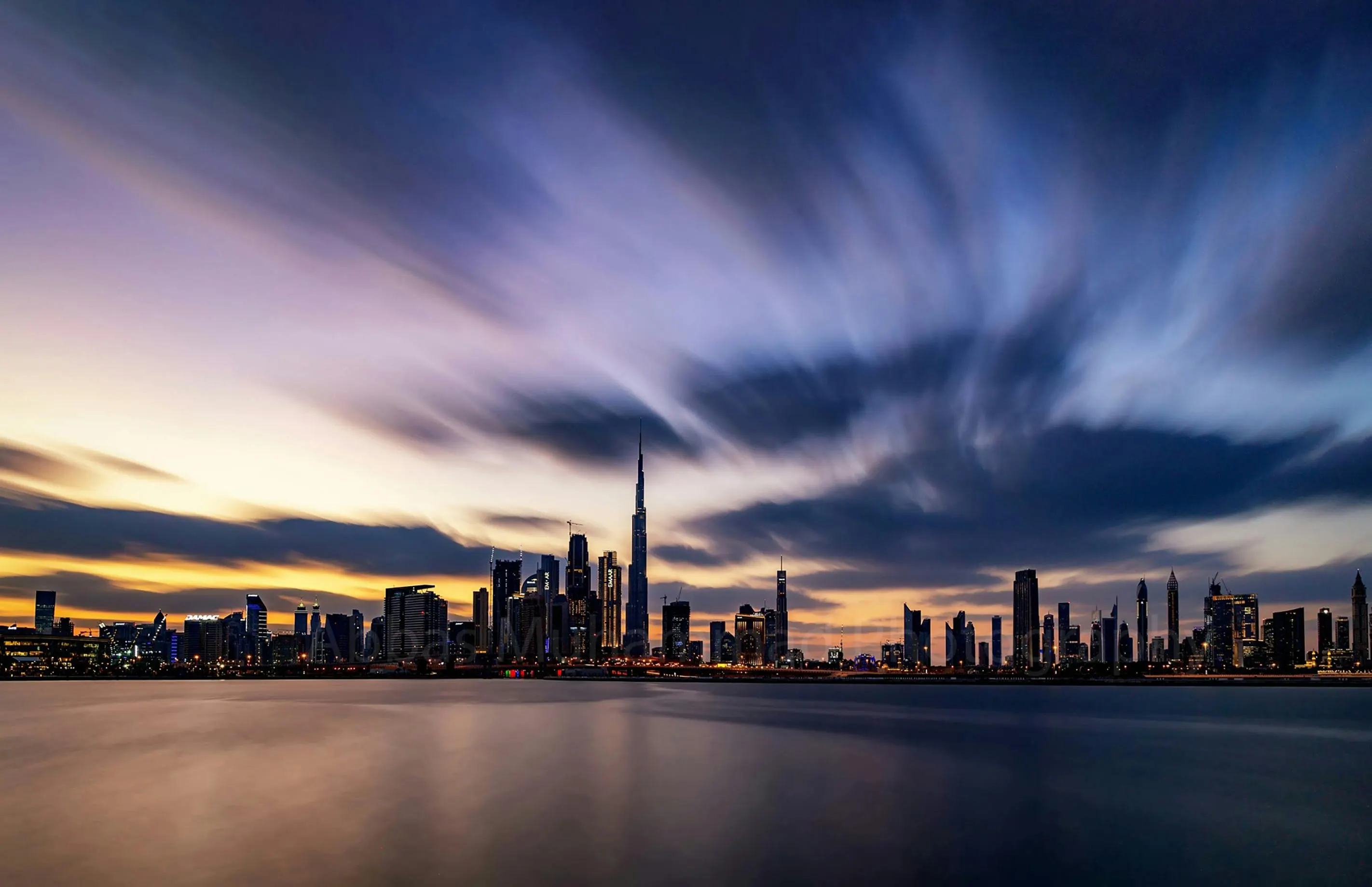
Geographically, DMCC occupies the Jumeirah Lakes Towers cluster: 87 mixed-use towers wrapped around four artificial lakes, sitting directly on Sheikh Zayed Road between Dubai Marina and Al Barsha. Almas Tower, owned by DMCC itself, is the operational and ceremonial centre. The cluster effect is real. Walking out of one tower meeting straight into another counterparty’s office is a daily experience for DMCC members.
The fDi Magazine ranking reinforces the brand, though it is worth being precise about what it is. DMCC’s own website describes the zone as “voted the number one free zone on the planet for 9 consecutive years”, and its timeline lists the wins from 2015 to 2023 (dmcc.ae, checked August 2026). That is an award from the Financial Times’ fDi Magazine, not a regulatory rating or an independent audit of the zone’s services, and the published run ends in 2023 rather than continuing to the present. Treat it as a strong reputational signal rather than a current-year league table. It still earns its keep in practice: when you are the one opening a cross-border account or quoting an institutional buyer, the credential shortens conversations.
Which licence fits your activity
DMCC licences fall into four broad families, and the DMCC activity list underneath them runs to over 1,000 codes. Pulling that list from the DMCC portal and marking the codes your revenue will actually come from is the first real step in DMCC company registration, because everything downstream — office class, AML load, audit scope — keys off the activity you pick:
Trading licences cover general and activity-specific trade. General Trading lets you import, export and re-export multiple unrelated product groups under one licence. Activity-specific trade (gold bullion, rough diamonds, tea, coffee, agricultural commodities, energy) comes with its own substance and AML overlay.
Service licences cover consulting, marketing, IT, professional services and management. This is the most common DMCC licence for advisors, agencies and holding-structure operators.
Industrial licences support light manufacturing and assembly within JLT premises. Heavy manufacturing usually sits better in JAFZA or KIZAD.
Specialised regimes include DPMS (Dealers in Precious Metals and Stones), crypto and virtual asset activities under the DMCC Crypto Centre, proprietary trading, family office structures and the Coffee, Tea and Tradeflow ecosystems.
What DMCC actually costs in 2026
DMCC sits at the prestige end of the UAE free zone market, and it is one of the few Dubai zones that still publishes package prices openly rather than routing everything through a salesperson. That transparency is itself worth something when you are comparing options: most of the zones DMCC competes with — IFZA, DAFZA, Dubai South, Hamriyah, SHAMS, Ajman Free Zone, SAIF and DET among them — publish no headline figure at all, so any comparison table you find quoting them is working from a broker’s quote rather than a published rate. Where Meydan Free Zone publishes a trade licence rate of AED 12,500 (meydanfz.ae, checked August 2026), DMCC’s cheapest published setup package is several times that. Every DMCC figure below comes from dmcc.ae, checked August 2026.
26,000+
DMCC member companies
| Package | Published price | Source | Checked |
|---|---|---|---|
| Basic Biz — individual shareholders, special flexi-desk, one visa eligibility | AED 35,484 | dmcc.ae | Aug 2026 |
| JLT Resident Package — for JLT residents, special flexi-desk | AED 29,205 | dmcc.ae | Aug 2026 |
| Crypto Centre Package — licence plus Crypto Centre co-working | AED 31,000 | dmcc.ae | Aug 2026 |
| Prime Plus, 1 year — fast-track setup for larger companies | AED 38,025 | dmcc.ae | Aug 2026 |
| Jump Start, 1 year — standard flexi-desk, one residency visa included | AED 43,780 | dmcc.ae | Aug 2026 |
Larger configurations — a fitted serviced office in a JLT tower, an eight-plus visa quota, or a premium activity such as DPMS or proprietary trading — sit outside the package range and are quoted on the specification rather than published. DGCX and DDE exchange memberships are charged on top of the licence and structured separately.
DMCC also publishes multi-year setup pricing — the Jump Start package is listed at AED 81,881 for two years and AED 120,000 for three (dmcc.ae, checked August 2026) — and publishes renewal pricing and its Schedule of Charges on the member portal. We are not reproducing specific renewal figures here, because the renewal schedule is the part of DMCC’s pricing that moves most often and a stale number is worse than no number. Pull it from the portal on the day you budget.
Two things are worth separating when you research the DMCC free zone license cost. The first is the one-off DMCC company formation cost, which is what most published packages quote and what founders anchor on. The second is the DMCC license renewal that arrives every year afterwards, together with the mandatory audit, the lease, the establishment card and the per-visa charges. The second number is the one that determines whether the business can carry the address.
Price three years, not one. A founder who compares DMCC’s entry package against a mainstream zone’s entry package is comparing the least representative year of the two. Build the comparison on year one plus two renewals, with the audit fee in the DMCC column and not in the other, and the gap usually looks different from the headline.
For comparison frameworks across other zones, our Dubai free zone company formation guide lays out the full mainstream-versus-prestige spectrum, and our list of free zone companies in Dubai shows the kind of businesses each Dubai zone actually hosts.
How many visas your office class buys
Visa allocation in DMCC is tied to office class and square footage, not arbitrary. A flexi-desk typically permits two to three residence visas. A serviced office of around 200-500 sq ft moves you into the six to eight visa range. Leased units allocate roughly one visa per 80-90 sq ft of usable space, subject to DMCC review. Quota is only half the question — the per-visa charges sit separately on DMCC’s published Schedule of Charges, and we break down what a free zone visa actually costs line by line, including the establishment card and the medical and Emirates ID fees.
Office options inside DMCC are broad. Hot desks at the DMCC Business Centre in Almas Tower, fitted serviced offices in multiple JLT towers, shell-and-core leases ready for tenant fit-out, pre-fitted units for immediate occupation. Premium addresses (Almas, Jumeirah Bay X3, Cluster I and Cluster J) carry a price premium that some founders are happy to pay for the address line on the licence.
The trade-off to weigh: flexi-desk is the cheapest entry, but it caps your visa quota, limits banking optics and signals “starter” to counterparties. A modest serviced office is often the sweet spot for businesses with three to six staff. Work out the headcount you expect in year two before you choose, because upgrading office class mid-term to release visa quota is more expensive and slower than taking the right class at incorporation, and a rejected visa application because the quota was exhausted can hold up a hire you have already made an offer to.
What UAE banks ask DMCC applicants for

DMCC’s brand helps with bank onboarding, but UAE banks in 2026 apply the same enhanced due diligence to everyone. Expect to provide:
- Notarised incorporation documents and shareholder passports
- Detailed source-of-funds evidence (audited financials, salary slips, sale of business documents)
- Business plan with expected transaction volumes and counterparty geographies
- KYC information on key customers and suppliers
- Personal banking history of UBOs
Tier-one banks (Emirates NBD, ADCB, FAB, Mashreq, HSBC) usually take six to twelve weeks for a full account approval. DPMS, crypto-adjacent and high-risk geographies push the timeline longer. Many DMCC founders open a digital or challenger account (Wio, Mashreq NEO Biz) in parallel as a working account while the tier-one application progresses.
A clean set of opening balance figures and a credible IFRS-aligned chart of accounts on day one shortens the onboarding conversation considerably. Our accounting and bookkeeping service is built around this requirement.
Audit-ready bookkeeping from day one
DMCC operates one of the strictest free zone accounting regimes in the UAE. Every member company (regardless of size, turnover or licence type) must:
- Maintain accounting records sufficient to explain all transactions and the financial position of the business
- Prepare annual financial statements under IFRS or IFRS for SMEs
- Appoint an auditor from the DMCC Approved Auditor list
- Submit audited financials through the DMCC member portal within 180 days of the financial year end
The auditor point catches new members out. You cannot simply appoint the firm that does your group audit at home — DMCC publishes its own approved auditors list, and only firms on it can sign a member company’s financial statements. Check the current DMCC approved auditors list on the portal before you engage anyone, because a report from an unapproved firm will not be accepted and the year-end has to be redone.
Non-submission affects licence renewal. This is not a parking-ticket fine. It is a structural compliance requirement enforced by the freezone authority. The mandatory audit alone separates DMCC from most mainstream zones, where audit is optional unless triggered by Corporate Tax, VAT or specific activities.
For founders coming from jurisdictions where bookkeeping is light-touch until something goes wrong, this is a genuine adjustment. DMCC’s regime assumes monthly discipline from day one. Bank reconciliations, accounts receivable and payable ledgers, fixed asset registers, VAT working papers and inter-company schedules all need to be kept audit-ready as you go, not assembled at the end.
The reason is structural rather than bureaucratic. An approved auditor working from a clean monthly ledger is testing a set of records; an auditor working from eleven months of unreconciled bank statements is effectively building the accounts first and auditing them second. The second engagement takes longer, costs more, and is far likelier to surface a qualification or a prior-year adjustment that then has to be explained to the FTA in the corporate tax return. The discipline DMCC forces is the discipline that makes the audit cheap.
Where corporate tax and VAT land for DMCC entities
Under the UAE Corporate Tax regime introduced from 1 June 2023, DMCC entities fall into the Free Zone Person category. The headline numbers:
- 0% on qualifying income if the entity meets all Qualifying Free Zone Person (QFZP) conditions
- 9% on non-qualifying income above the AED 375,000 threshold
- 9% standard rate if QFZP status is broken or never claimed
Commodities trading is on the published list of qualifying activities, which makes DMCC structurally well placed for QFZP positioning. Only if substance, de minimis, audited financials and the other conditions are met. Our Qualifying Free Zone Person checklist walks through the tests in detail, and the free zone corporate tax guide covers the broader regime.
DMCC’s commodities focus is a structural advantage under the new corporate tax regime. Qualifying trading income can sit at 0%, but only if the QFZP tests are met every single year and the audited financials prove it.
On VAT, DMCC is on the Designated Zone list under Cabinet Decision No. 59 of 2017. This treats specified zones as outside the UAE for certain VAT purposes when goods move between Designated Zones, subject to strict conditions on goods movement, consumption and documentation. Services performed from DMCC are typically standard-rated at 5% regardless of Designated Zone status. The rules are nuanced. Check with our VAT services team before assuming a transaction is out of scope.
The compliance calendar a DMCC company actually runs
The cost of DMCC is not only the licence. It is the recurring obligation set the licence carries, and that set is denser than in most UAE free zones because DMCC layers its own audit filing on top of the federal tax calendar. These are the fixed deadlines a DMCC member has to hold:
| Obligation | Deadline | Set by |
|---|---|---|
| Audited financial statements filed on the DMCC member portal | Within 180 days of the financial year end | DMCC member rules |
| Corporate tax return filed with the FTA | No later than 9 months from the end of the relevant tax period | Federal Decree-Law 47 of 2022, Article 53(1) |
| Corporate tax records retained | 7 years following the end of the tax period they relate to | Federal Decree-Law 47 of 2022, Article 56(1) |
| VAT returns filed and paid | Per the tax period on the entity’s VAT registration, monthly or quarterly | Federal Decree-Law 8 of 2017 and its Executive Regulation |
| Corporate tax deregistration on closure | Within 3 months of cessation, dissolution or liquidation | FTA Decision 6 of 2023, Article 2(2) |
| VAT deregistration on closure | Within 20 business days of the triggering event | Cabinet Decision 52 of 2017, Article 14(1) |
| goAML registration, STRs and annual AML risk assessment | Ongoing, for DPMS and other DNFBP-category members | UAE AML/CFT framework, administered via goAML |
Sources: Federal Decree-Law 47 of 2022 Articles 53 and 56, FTA Decision 6 of 2023 and Cabinet Decision 52 of 2017, all as published by the Federal Tax Authority at tax.gov.ae; DMCC member rules at dmcc.ae. Verified 5 August 2026. Confirm your entity’s own VAT filing frequency in EmaraTax rather than assuming.
The two clocks that trip people are the DMCC 180-day audit filing and the FTA 9-month corporate tax return. They run from the same financial year end but at different speeds, and the audited financials are usually an input to the corporate tax position rather than something that can follow it. A DMCC entity claiming Qualifying Free Zone Person status has a further dependency: audited financial statements are a condition of the status, so a late audit does not merely risk the licence renewal, it can put the 0% rate itself in question for that year.
Plan the year-end backwards from the 180-day date, not forwards from the FTA deadline. That single sequencing decision is what separates DMCC members who file calmly from those who spend month eleven reconstructing a year of bank statements.
Pros & Cons
Pros
- Brand and credibility — nine consecutive years as global #1 by fDi Magazine carries real weight with banks, counterparties and global buyers
- Cluster depth — 26,000+ members in one geographic cluster creates genuine networking and counterparty density
- Designated Zone status — flexibility for goods movements between Designated Zones
- Commodities infrastructure — DGCX, DDE, Tradeflow and DPMS framework unmatched regionally
- QFZP-friendly activities — commodities trading on the qualifying list
- Premium addresses — Almas, Jumeirah Bay and Cluster I addresses lift the corporate profile
Cons
- Cost — the cheapest published standard (unrestricted) DMCC package is roughly 2.8 times Meydan’s published trade licence rate (AED 35,484 against AED 12,500; both checked August 2026)
- Mandatory audit — recurring annual cost and discipline regardless of turnover
- AML weight — DPMS, goAML registration and STR obligations for precious metals activities
- Substance proof — QFZP status demands adequate substance and audited evidence every single year
- Compliance density — multi-layered notifications, filings and renewals need structured operations
- Office cost — JLT real estate, even serviced, is at the higher end of Dubai pricing

How Velmont Crest Helps
Velmont Crest’s accounting practice works with DMCC-bound founders and existing DMCC member companies across the full compliance lifecycle. Our scope is advisory and preparation. Not licensed audit, not FTA tax agent representation. Where audit is required, we work alongside your chosen DMCC approved auditor. Where FTA representation is required, we work alongside a registered tax agent.
What we typically support:
- Pre-incorporation review — activity selection, package comparison across DMCC tiers and adjacent zones like DAFZA, JAFZA, Hamriyah, Meydan, and Ajman Free Zone, and documentation preparation through our business setup advisory practice
- Monthly bookkeeping aligned to IFRS for SMEs, ready for the DMCC mandatory audit
- Audit-readiness — schedules, reconciliations, working papers, and inter-company support for your DMCC approved auditor
- VAT registration and ongoing returns with Designated Zone treatment review where applicable
- Corporate tax registration and return preparation with QFZP positioning and substance documentation through our corporate tax service
- Legacy ESR review — closing out any open 2019-2022 economic substance filings, now that the regime no longer applies to later periods
- AML policy drafting for DPMS entities — goAML registration support, STR procedures, and annual risk assessment
If you are weighing DMCC against other free zones, or already inside DMCC and want a second pair of eyes on the books before the next audit cycle, get in touch. We will give you an honest read on whether DMCC is the right fit and what the annual compliance load realistically looks like. No sales pressure and no inflated promises.
Frequently asked questions
- What does DMCC Free Zone stand for?
- Dubai Multi Commodities Centre. The Government of Dubai set it up in 2002, and it now spans the Jumeirah Lakes Towers cluster — 87 towers along Sheikh Zayed Road. The founding brief was commodities: gold, diamonds, tea, coffee, precious metals. It has grown well past that since, hosting more than 1,000 licensed activities, from holding companies and professional services to technology and crypto. The commodities heritage still shows, but the zone is genuinely multi-sector now.
- Is DMCC a free zone?
- Yes. The Dubai Multi Commodities Centre is a free zone established by the Government of Dubai in 2002, and with 26,000+ registered companies on its own published figure it is one of the largest in the UAE. Being a free zone means full foreign ownership, a free-zone licence rather than a mainland DET licence, and the possibility of the 0% Qualifying Free Zone Person corporate tax rate on qualifying income. Two clarifications people ask for in the same breath: DMCC free zone companies are still inside the UAE for corporate tax and still register for VAT like anyone else, and DMCC's Designated Zone status under Cabinet Decision No. 59 of 2017 affects the VAT treatment of goods movements only, never services.
- How do I find the DMCC approved auditors list?
- DMCC publishes it on the member portal, and it is the only list that counts. Every member company has to appoint an auditor from that list, have the financial statements audited under IFRS or IFRS for SMEs, and file them through the portal within 180 days of the financial year end. Auditors in DMCC apply to be listed and the roster changes, so check the current version rather than relying on a name someone gave you last year. A report signed by a firm that is not on the approved auditors list will not be accepted, and that puts your licence renewal at risk. Velmont Crest prepares the audit file and works alongside your chosen approved auditor; we do not sign the audit report.
- How much does it cost to set up in DMCC Free Zone in 2026?
- DMCC publishes its package prices, which makes this rare among Dubai zones. The Basic Biz package is AED 35,484, the JLT Resident package AED 29,205, the Crypto Centre package AED 31,000 and the Jump Start package AED 43,780 for one year (dmcc.ae, checked Aug 2026). Set that against Meydan's published AED 12,500 entry rate and you can see why DMCC is the prestige tier. Anything beyond the packages — visa quota, office upgrades or a specialised activity like DPMS for precious metals — is quoted on specification, and a fitted serviced office or a full unit in a JLT tower goes materially higher depending on the tower and the floor. Ask DMCC to price your exact configuration in writing.
- Is annual audit mandatory in DMCC Free Zone?
- Yes, for every member company, no size threshold to slip under. The audit has to be done by an auditor on the DMCC Approved Auditor list, and the financials go through the member portal within 180 days of the financial year end. This is one of the strictest audit regimes among UAE free zones, and it genuinely isn't negotiable — miss the filing and your licence renewal is at risk.
- What is Designated Zone status and does DMCC have it?
- Designated Zone status comes from Cabinet Decision No. 59 of 2017 and treats certain free zone areas as outside the UAE for some VAT purposes when goods move between Designated Zones. DMCC is on the list, so qualifying goods movements can fall outside the 5% VAT scope, subject to conditions. The catch most people miss: services billed from DMCC are usually standard-rated regardless. The rules are fiddly enough that we'd review each transaction on its own rather than assume.
- Can DMCC companies qualify for 0% corporate tax?
- Potentially. A DMCC company can reach Qualifying Free Zone Person (QFZP) status under the UAE Corporate Tax regime and pay 0% on qualifying income, and commodities trading happens to be on the published qualifying activities list — which puts DMCC in a good spot. Holding the status is the hard part, though. You need to meet the substance requirements, pass the de minimis test, prepare audited financials, and not elect into the 9% rate. Trip on any single one of those and the whole entity drops to the standard 9%.
- What licence types are available in DMCC Free Zone?
- They fall into broad families — Trading, Service, Industrial and specialised. Trading covers General Trading or activity-specific permissions like DPMS for gold and diamond dealers. Service licences handle consulting, marketing, IT and professional work, and Industrial covers light manufacturing. On top of those, DMCC licences crypto and proprietary trading under their own frameworks. Whatever you pick, the licence locks to a defined activity list, and each list carries its own substance and AML expectations — so the choice has consequences well beyond day one.
- How many visas can a DMCC flexi-desk package support?
- Usually two to three residence visas on a flexi-desk, depending on the desk class and tower. Move up to a serviced office of around 200-500 sq ft and you're looking at six to eight, while full office units work out at roughly one visa per 80-90 sq ft of leased area. DMCC sets the exact ratio and reviews it from time to time, so treat these as a guide and confirm the live quota when you apply.
- Is DMCC good for gold and diamond trading?
- It's purpose-built for it. The zone hosts the Dubai Gold & Commodities Exchange (DGCX) and the Dubai Diamond Exchange (DDE), and runs the DPMS framework for Dealers in Precious Metals and Stones. Just go in eyes open on the compliance: DPMS firms register with goAML, appoint a compliance officer, file Suspicious Transaction Reports where they apply, and submit annual AML/CFT risk assessments. The infrastructure is genuinely unmatched in the region. The paperwork that comes with it is real too.
- How does DMCC compare to IFZA, Meydan, or DAFZA?
- DMCC sits at the top of the prestige and cost ladder. Meydan is the cost-led mainstream pick, publishing an entry rate of AED 12,500, and IFZA quotes rather than publishes, while DAFZA leans into airport-adjacent logistics and aviation and JAFZA is home for heavy industrial and bulk port trade. What DMCC actually sells is the global commodities brand, the cluster effect of 26,000+ members, and Designated Zone status. So it comes down to what you're buying — DMCC for credibility and commodities depth, a mainstream zone when the licence is really just administrative and cost is the thing that matters.
- Does Economic Substance Regulation apply in DMCC?
- Largely historical now. ESR applied to financial years from 2019 to 2022, and under Cabinet Decision No. 98 of 2024 the regime was discontinued for periods starting on or after 1 January 2023 — no ESR notification or report is due for those later years, and related penalties were cancelled. If your DMCC entity carried a relevant activity (distribution and service centre, holding, headquarters, intellectual property, lease-finance, shipping and similar) during 2019-2022, any open filing or penalty from that window may still need closing out. Going forward, substance mainly matters through the Corporate Tax Qualifying Free Zone Person tests rather than a standalone ESR return.
- Can a DMCC company open a corporate bank account easily?
- Easier than most, but nobody gets a free pass in 2026. The DMCC brand helps, yet UAE banks apply the same heavy due diligence to everyone — source-of-funds documentation, shareholder background, a business plan, expected transaction flows, KYC on your counterparties. Tier-one banks usually take six to twelve weeks for a full account, and DPMS, crypto or high-risk activities run longer, often needing a digital or challenger bank alongside as a working account. The single best thing you can do to speed it up is walk in with audited or projected financials ready.
- How does Velmont Crest support DMCC Free Zone businesses?
- We cover the advisory and preparation side across the whole DMCC lifecycle — picking the right activity before incorporation, comparing packages, preparing documents, running bookkeeping aligned to IFRS for SMEs, getting you audit-ready against DMCC's requirements, handling VAT registration and Designated Zone treatment review, sorting corporate tax registration with QFZP positioning, and preparing ESR notifications and reports. One thing we're clear about: we work alongside your chosen DMCC approved auditor, we don't replace them.
Filed under: DMCC, Free Zone, Dubai, Commodities, JLT, Gold Trading, Prestige Free Zone, Business Setup
Published · Updated