
Insights · E-Invoicing
UAE e-invoicing guides for 2026 readiness.
The UAE is rolling out mandatory e-invoicing, moving businesses from PDF and paper invoices to structured electronic invoices exchanged through accredited service providers and reported to the Federal Tax Authority. This hub gathers our e-invoicing guides so Dubai SMEs can prepare early rather than scramble at the deadline — treat it as a working UAE e-invoice guide, with each article covering one piece: the e-invoice format the UAE will require under PINT AE, FTA e-invoicing announcements as they land, and the e-invoicing software and ASP choices in front of you. You'll find plain-English explainers of the phased 2026 timeline, the PINT AE data standard, how the accredited service provider (ASP) model works, what a compliant tax-invoice format needs to contain, and the accounting-system changes to plan for now. We also cover the practical clean-up most businesses need first — accurate master data, correct TRNs and a tidy chart of accounts. Each guide is framed around readiness steps, not just the regulation. Read to understand what's coming, then get a free quote for e-invoicing setup advisory — software mapping, ASP onboarding and a rollout plan tailored to your business.
What you'll find
All 13 E-Invoicing guides we've published for UAE SMEs, newest first. Each one translates the rule into what your books, filing calendar and next decision actually need.
 E-Invoicing
E-Invoicing
Peppol E-Invoicing Explained: How the Network Moves a UAE Invoice
Peppol e-invoicing explained — what Peppol is, how the four- and five-corner models work, and the PINT AE rules UAE businesses have to follow.
Guide 03 Aug 2026 19 min read E-Invoicing
E-Invoicing
PINT-AE XML Format Mandatory Fields: Mapping a UAE Chart of Accounts Without Breaking Reporting
PINT-AE XML format mandatory fields and how to map a UAE chart of accounts to them — for SAP, Oracle, NetSuite, Tally, Zoho Books, QuickBooks and Wafeq.
Guide 29 Jun 2026 21 min read E-Invoicing
E-Invoicing
فاتورة ضريبية بالانجليزي — Tax Invoice in Arabic and English (UAE): the Bilingual PINT-AE Format Guide
فاتورة ضريبية بالانجليزي — how to issue a tax invoice in Arabic and English in the UAE, field by field, with the right VAT labels and PINT-AE format.
Guide 29 Jun 2026 17 min read E-Invoicing
E-Invoicing
E-Invoicing Phase 2 UAE: The 2027 Readiness Plan for SMEs Below AED 50M
UAE e-invoicing Phase 2 in 2027 covers every VAT-registered SME under AED 50M. Here's the 9-month readiness plan to start in 2026.
Guide 29 Jun 2026 28 min read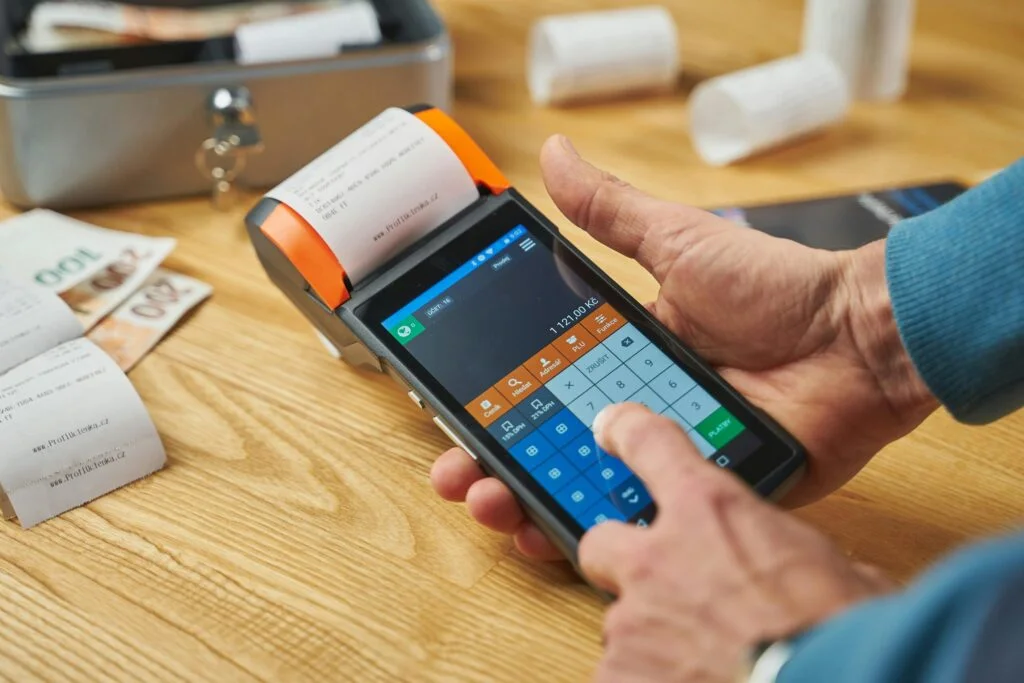 E-Invoicing
E-Invoicing
Zero-Rated Export Supply in the UAE: How to Invoice Goods and Services at 0% VAT
How a UAE export supply is zero-rated for VAT — covering goods, services and designated zones, the category Z code and the PINT AE invoice fields.
Guide 29 Jun 2026 26 min read E-Invoicing
E-Invoicing
Multi Currency E-Invoicing UAE: Getting the Foreign Currency AED Line Right
How UAE foreign-currency e-invoices report VAT in AED under PINT AE — Central Bank daily FX rates, rounding and credit-note reconciliation.
Guide 29 Jun 2026 16 min read E-Invoicing
E-Invoicing
E-Invoicing for Retail in the UAE: What POS Integration Changes
E-invoicing for retail in the UAE: how POS e-invoicing works, which platforms connect to an ASP, and the 1 July 2027 deadline for SMEs.
Guide 29 Jun 2026 26 min read- E-Invoicing
E-Invoicing
Disbursement Invoice UAE VAT: When 5% Applies and How to Flag It
Recharge vs disbursement under UAE VAT — when a recharge is out of scope, when 5% VAT applies, and how to flag disbursement invoice lines on PINT-AE.
Guide 29 Jun 2026 17 min read  E-Invoicing
E-Invoicing
E-Invoicing Reverse Charge in the UAE: PINT AE Format for Gold and Scrap Supplies
E-invoicing reverse charge in the UAE: how gold and scrap metal suppliers issue PINT AE invoices at 0 VAT, and how the buyer self-accounts.
Guide 29 Jun 2026 17 min read- E-Invoicing
E-Invoicing
Self Billing Invoice UAE: The Five FTA Conditions That Actually Matter
Self billing under UAE VAT: when the buyer issues the tax invoice, the five FTA conditions to meet, and how PINT AE reshapes the workflow.
Guide 29 Jun 2026 19 min read  E-Invoicing
E-Invoicing
VAT Group Invoice UAE: How E-Invoicing Works for Grouped Entities
How UAE VAT-grouped entities issue, consolidate and report e-invoices across member companies — intra-group exemption to 1 January 2029, then full PINT AE flow.
Guide 29 Jun 2026 18 min read- E-Invoicing
E-Invoicing
Summary Invoice Meaning and How UAE Summary Tax Invoices Work
Summary invoice meaning: one tax invoice covering a month of supplies to the same UAE recipient. The Article 59(6) rules, the 14-day window and e-invoicing.
Guide 29 Jun 2026 22 min read  E-Invoicing
E-Invoicing
UAE E-Invoicing 2026: What Every VAT-Registered Business Must Do Now
UAE e-invoicing: AED 50m+ businesses appoint an accredited provider by 30 October 2026 and comply from 1 January 2027. All other VAT filers, 1 July 2027.
Guide 11 Mar 2026 36 min read
FAQs
E-Invoicing questions, answered
What is UAE e-invoicing?
UAE e-invoicing is the move to structured electronic invoices — machine-readable data rather than PDFs or paper — exchanged through accredited service providers and reported to the Federal Tax Authority. It aims to standardise invoicing and give the FTA near-real-time visibility of transactions.
When does UAE e-invoicing become mandatory?
The UAE is introducing e-invoicing in phases, with the framework and initial mandatory phases scheduled around 2026. Exact dates depend on the FTA and Ministry of Finance rollout, so businesses should track official announcements and prepare their systems ahead of their applicable phase.
What format will UAE e-invoices use?
UAE e-invoices will follow PINT AE — the Emirates' localisation of the international Peppol PINT standard — meaning invoices become structured, machine-readable data files rather than PDFs. Invoices are exchanged between businesses through accredited service providers (ASPs), with the tax data reported to the Federal Tax Authority. For most SMEs the practical question is whether their accounting software can produce the required fields cleanly — accurate TRNs, customer master data and line-level tax detail — before their rollout phase arrives.
How should a business prepare for e-invoicing?
Preparation starts with clean master data — accurate customer and supplier details, correct TRNs and a tidy chart of accounts — plus choosing an accredited service provider and confirming your accounting software can produce compliant structured invoices. Early clean-up avoids a rushed transition at the deadline.

Request a free quote
Tell us about your books.
Tell us a bit about where your books are right now. We read every one ourselves and reply within one UAE business day. Nothing to sign.
Get a free quote